
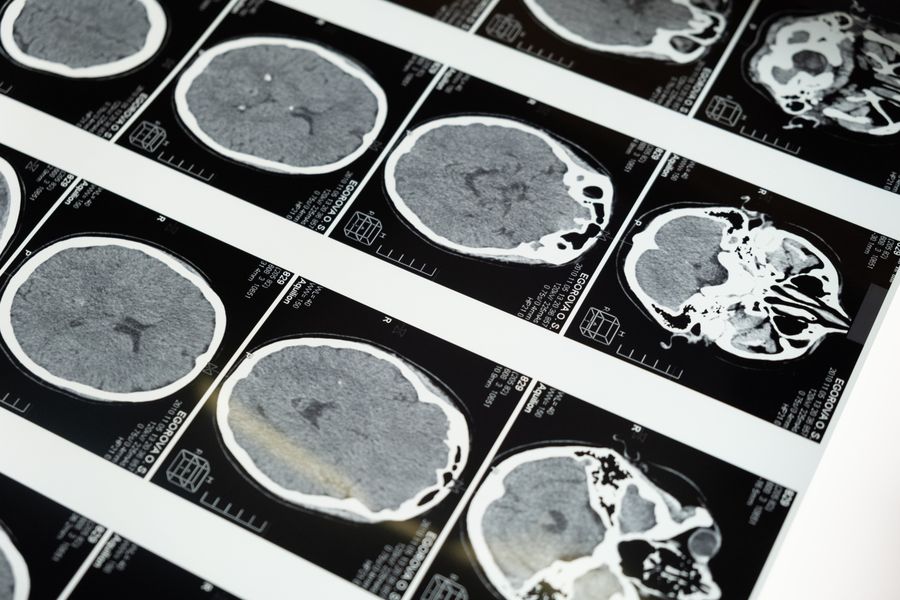
Overview
Primary brain tumours start in the brain itself — gliomas, meningiomas, pituitary tumours and others — while secondary (metastatic) brain tumours spread from cancers elsewhere, such as the lung or breast. Symptoms depend on where the tumour sits and how fast it grows.
Symptoms of brain cancer
- New or worsening headaches, especially in the morning
- Seizures in an adult with no history of epilepsy
- Weakness or numbness on one side, difficulty with balance or speech
- Vision changes, nausea or vomiting
- Personality or memory changes
Risk factors
- Previous radiation to the head
- Rare inherited syndromes (neurofibromatosis, Li-Fraumeni)
- Age — different tumour types peak in children and older adults
Diagnosis
MRI of the brain with contrast is the key test. Diagnosis and grading are confirmed on tissue obtained at surgery or biopsy, with molecular markers (IDH, MGMT, 1p/19q) that guide treatment and prognosis.
Treatment at Shichim Oncocare
Maximal safe surgery is followed, depending on tumour type, by radiotherapy and chemotherapy — temozolomide for gliomas is an oral drug that can be managed as an outpatient. Shichim Oncocare coordinates with neurosurgical and radiation partners and delivers the systemic therapy, steroid and anti-seizure management, and rehabilitation support as day-care.