
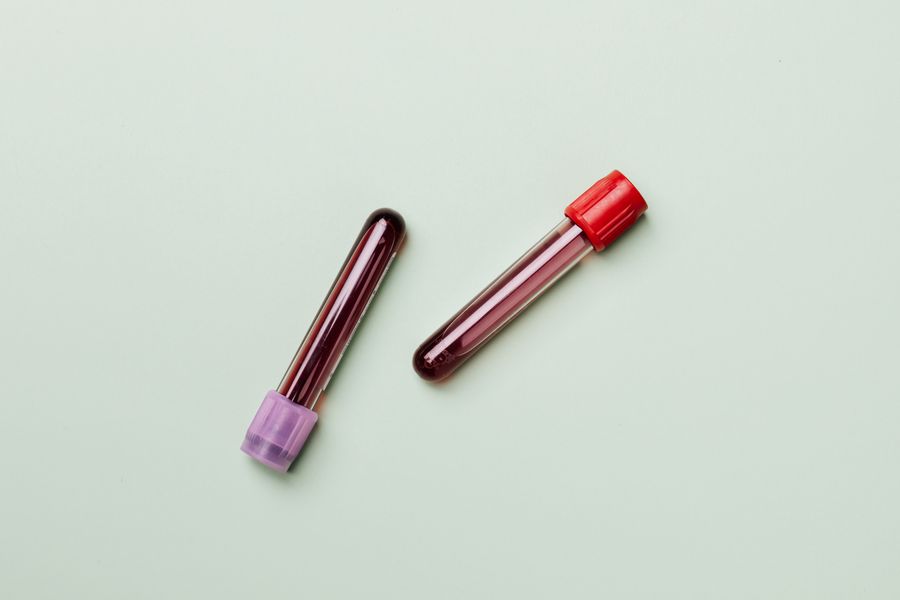
Overview
"Blood cancer" is an umbrella term for cancers of the blood-forming and immune systems. The three main groups are leukemia (cancer of white blood cells in the bone marrow and blood), lymphoma (cancer of the lymphatic system — Hodgkin and non-Hodgkin) and multiple myeloma (cancer of plasma cells).
Unlike solid tumours, blood cancers are treated mainly with systemic therapy rather than surgery — which makes them well suited to the day-care model, where infusions are given at the centre and the patient goes home.
Symptoms of blood cancer
- Persistent tiredness, weakness or breathlessness (anaemia)
- Frequent or unusual infections, prolonged fever
- Easy bruising, bleeding gums, nosebleeds or tiny red skin spots
- Painless swollen lymph nodes in the neck, armpit or groin
- Night sweats, unexplained weight loss, bone pain
Risk factors
- Prior chemotherapy or radiation exposure
- Certain genetic conditions (e.g. Down syndrome) and family history
- Weakened immune system, some viral infections (EBV, HTLV-1, HIV)
- Exposure to benzene and some industrial chemicals
- Age — some leukemias are commonest in children, others in older adults
Diagnosis
A complete blood count with peripheral smear is the first step. Confirmation needs a bone-marrow aspiration/biopsy or a lymph-node biopsy, with flow cytometry, cytogenetics and molecular tests that identify the exact subtype. Lymphomas are staged with PET-CT. Precise sub-typing matters, because the drugs are chosen for the specific disease.
Treatment at Shichim Oncocare
Treatment depends on the type: chemotherapy protocols, targeted drugs (such as tyrosine-kinase inhibitors for CML), monoclonal antibodies and immunotherapy for lymphoma, and for eligible relapsed patients, CAR-T cell therapy. Most cycles are given as day-care infusions at Shichim Oncocare, with close blood-count monitoring and supportive care. Cases needing intensive induction or transplant are coordinated with partner hospitals.