Overview
Cancer in children is rare but very different from adult cancer: the types are different, they arise from developing tissues, and they respond far better to chemotherapy. With complete treatment, more than 70–80% of children with cancer can be cured. The commonest childhood cancer is acute lymphoblastic leukemia (ALL).
Symptoms of paediatric cancer
- Persistent fever, paleness, unusual bruising or bleeding
- Swelling in the abdomen, a lump anywhere, or swollen lymph nodes
- Persistent headache with early-morning vomiting, or a new squint
- Bone or joint pain, limping
- A white glow in the pupil (retinoblastoma), or unexplained weight loss
Risk factors
- Most childhood cancers have no identifiable cause
- Inherited syndromes (Down syndrome, Li-Fraumeni, retinoblastoma gene)
- Previous cancer treatment
Diagnosis
Blood tests, bone-marrow examination, imaging (ultrasound, MRI, PET-CT) and biopsy — chosen by the paediatric oncologist to reach a precise diagnosis with the least discomfort to the child.
Treatment at Shichim Oncocare
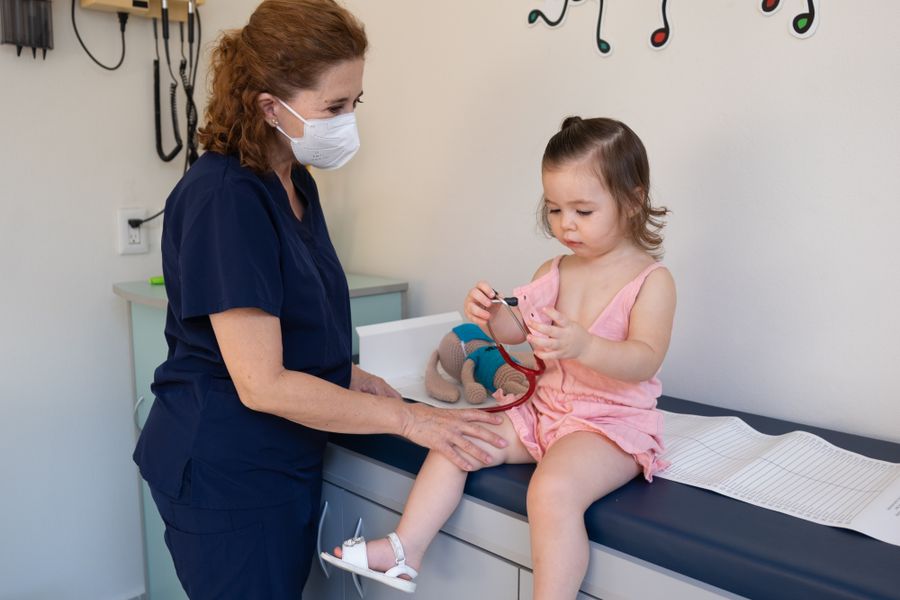
Treatment follows established international protocols: chemotherapy is the mainstay, with surgery and radiotherapy for specific tumours. Much of the treatment can be given as day-care, allowing the child to sleep at home. Shichim Oncocare provides child-friendly day-care infusion, play and school support, nutrition, and counselling for parents, and coordinates intensive phases with partner paediatric units.