
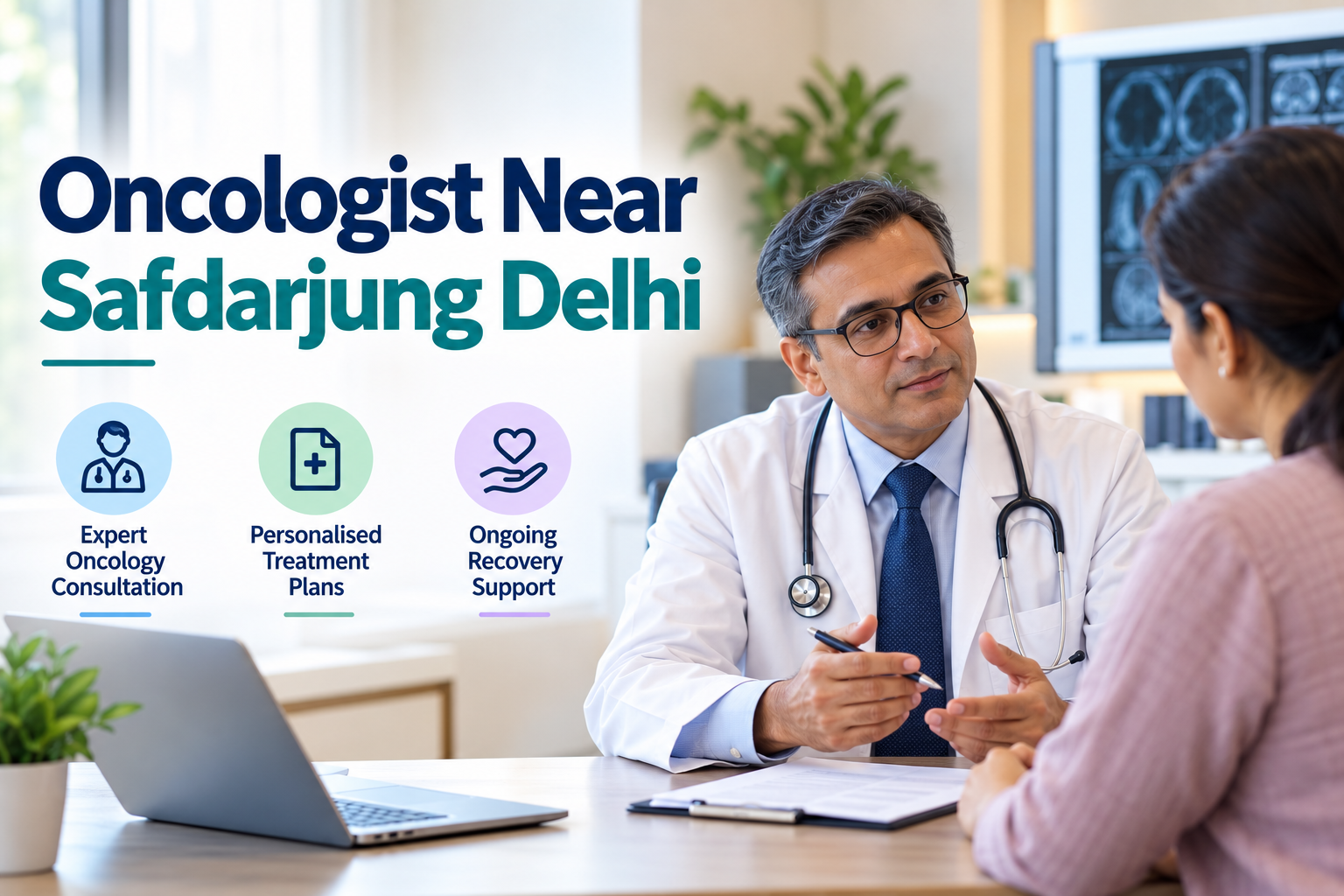
A cancer diagnosis can bring many questions about treatment, tests, recovery, and what happens next. Finding an experienced oncologist near Safdarjung Delhi can help patients and families understand these decisions with greater clarity. An oncologist evaluates the diagnosis, reviews medical reports, recommends an appropriate treatment strategy, and monitors the patient throughout the cancer care journey.
Modern oncology is increasingly personalised. Treatment is not based only on the name of the cancer. Doctors may also consider its type, stage, biological characteristics, previous treatments, overall health, and individual needs before recommending a plan.
For patients searching for a cancer specialist Safdarjung, access to structured consultation and ongoing support can be especially valuable. At Shichim, the care journey is designed to connect consultation, personalised planning, day-care treatment when appropriate, and continued recovery support.
What Does an Oncologist Near Safdarjung Delhi Do?
An oncologist near Safdarjung Delhi is a doctor involved in diagnosing, evaluating, treating, and monitoring people with cancer. Oncology itself includes different specialties, and the type of specialist involved can depend on the patient's diagnosis and treatment requirements.
A medical oncologist Safdarjung patients consult primarily focuses on cancer treatments involving medicines. Depending on the diagnosis, this can include chemotherapy and other systemic therapies considered appropriate by the treating team.
The oncologist's responsibility extends beyond prescribing treatment. The doctor reviews reports, evaluates the patient's overall health, explains available options, monitors treatment response, helps manage treatment-related concerns, and determines whether the plan needs to be adjusted.
This continuity can be important because cancer care may involve several stages rather than one isolated appointment.
Why Oncology Consultation Safdarjung Matters
An oncology consultation Safdarjung is often an important early step after a cancer diagnosis or when further specialist evaluation has been recommended.
During the consultation, the oncologist can review pathology reports, imaging, blood tests, previous treatment records, medications, symptoms, and relevant medical history. This information helps build a clearer understanding of the patient's condition.
Patients and family members can also use the consultation to ask questions. Understanding why a treatment has been recommended, what its goals are, how it may be administered, and what follow-up may involve can make the overall journey easier to navigate.
A good consultation should involve two-way communication. The cancer doctor Safdarjung patients choose should not simply provide instructions but should also help them understand the reasoning behind the proposed care plan.
Different Oncology Specialists and Their Roles
Cancer care can involve multiple medical specialties. Knowing the difference can help patients understand why they may be referred to more than one doctor.
Medical Oncologist
A medical oncologist focuses on systemic cancer treatment using medicines. Depending on the individual diagnosis and current clinical guidelines, these treatments may include chemotherapy and other forms of drug-based cancer therapy.
A medical oncologist Safdarjung may also coordinate with other specialists and monitor how the patient responds during treatment.
Surgical Oncologist
A surgical oncologist specialises in cancer-related surgery. Surgery may be used to remove a tumour or affected tissue when appropriate. Whether surgery is recommended depends on factors such as cancer type, location, stage, and the patient's overall condition.
Radiation Oncologist
A radiation oncologist specialises in treating cancer using radiation therapy. Some patients may receive radiation alone, while others may receive it alongside surgery, chemotherapy, or another treatment.
Because cancer care can involve multiple approaches, coordinated communication between specialists can be important.
How an Oncologist Develops a Personalised Cancer Treatment Plan
Cancer treatment is highly individual. Two patients with cancer affecting the same organ may still require different approaches.
An oncologist near Safdarjung Delhi may consider the exact cancer type, stage, pathology findings, previous treatments, overall health, current symptoms, laboratory results, and other clinically relevant factors before recommending treatment.
The objective is to create a plan that reflects the patient's specific situation rather than applying a standard approach to everyone.
Treatment plans may also change over time. If new test results become available or the patient's response changes, the oncology team may reassess the strategy.
This makes ongoing monitoring an important component of cancer care.
From Consultation to Recovery: Understanding the Care Journey
Patients often feel more comfortable when they know what to expect. Shichim follows a structured care pathway that helps connect different stages of treatment.
Call or Book
The journey begins when a patient requests an appointment. A coordinator can then guide the patient through the initial process and help prepare for the consultation.
Keeping previous reports, prescriptions, pathology results, imaging reports, and medication information organised can make the first assessment more useful.
Consultation With a Senior Oncologist
During the consultation, a senior oncologist listens to the patient's concerns and reviews the available medical information.
The purpose is not simply to identify a treatment. It is also to help the patient understand the diagnosis, available options, and possible next steps.
For someone looking for a cancer specialist Safdarjung, clear communication at this stage can help reduce confusion around a complex diagnosis.
Your Personalised Treatment Plan
After evaluating the patient's cancer type, stage, condition, and relevant clinical information, an individual treatment plan can be developed.
The plan may include treatment recommendations, monitoring requirements, tests, follow-up appointments, and supportive care depending on the patient's needs.
Day-Care Treatment
Certain cancer treatments can be delivered in a day-care environment when medically appropriate. This means eligible patients receive their prescribed treatment under supervision and can return home on the same day after appropriate monitoring and medical clearance.
Not every patient or treatment is suitable for day-care care. The treating oncologist determines the appropriate setting.
Recovery and Ongoing Support
Cancer care does not necessarily end when a treatment session finishes.
Follow-up can involve monitoring symptoms, reviewing treatment response, assessing laboratory or imaging results when required, nutrition guidance, and continued supportive care.
This ongoing relationship allows the oncology team to understand how the patient is progressing.
Day-Care Oncology vs Inpatient Cancer Care
Both day-care and inpatient treatment have important roles. The appropriate option depends on medical requirements.
| Care Factor | Day-Care Oncology | Inpatient Cancer Care |
|---|---|---|
| Treatment setting | Dedicated day-care clinical environment | Hospital-based admission |
| Overnight stay | Usually not required for eligible patients | May be required |
| Medical supervision | Provided throughout the scheduled treatment period | Extended hospital supervision |
| Patient routine | Eligible patients may return home after clearance | Patient remains admitted as medically required |
| Flexibility | Suitable for treatments that can safely be completed during the day | Suitable when greater observation or hospital support is necessary |
| Follow-up | Planned according to the individual oncology pathway | Coordinated around inpatient care and discharge |
| Suitability | Determined by treatment protocol and patient condition | Determined by clinical complexity and monitoring needs |
Neither setting is automatically preferable. The appropriate treatment environment should be decided according to clinical requirements.
What to Look for When Choosing a Cancer Doctor Safdarjung
Location is useful, but it should not be the only factor when selecting oncology care.
Patients searching for an oncologist near Safdarjung Delhi should consider whether the doctor provides clear explanations and creates a treatment strategy based on individual medical findings.
Continuity is another important consideration. Cancer treatment can involve repeated consultations, investigations, treatment sessions, and follow-ups. A coordinated process makes it easier for the medical team to monitor changes over time.
Patients should also consider how treatment-related questions are handled. They should know what symptoms need attention and when they should seek medical advice.
A well-organised oncology service should therefore combine clinical expertise with communication, monitoring, and supportive care.
Common Challenges Patients Face During Cancer Treatment
Cancer treatment can be physically and emotionally demanding. One common challenge is information overload. Patients may receive new medical terms, reports, and treatment recommendations within a relatively short period.
Writing down important questions before an oncology consultation Safdarjung can help. Patients may want to ask what treatment is being recommended, its purpose, how it will be administered, what monitoring is required, and which symptoms should be reported.
Another challenge is comparing experiences with other cancer patients. Even people with apparently similar diagnoses can have different medical circumstances. A treatment that is appropriate for one person may not be appropriate for another.
Patients should therefore base important medical decisions on their own oncologist's assessment rather than another patient's experience or unverified information found online.
The Growing Role of Personalised Oncology Care
Cancer treatment continues to evolve as doctors gain a more detailed understanding of different cancers and their biological characteristics.
Modern oncology increasingly considers specific features of a patient's disease when evaluating treatment options. Diagnostic testing, imaging, pathology, and other clinical information can contribute to increasingly individualised decision-making.
Supportive care is evolving as well. Nutrition, symptom management, monitoring, communication, and recovery support are increasingly recognised as important components of the overall patient experience.
For patients looking for a medical oncologist Safdarjung, this means that the quality of the complete care pathway can matter alongside the treatment itself.
Why Consider Shichim for Oncology Care Near Safdarjung?
Shichim focuses on creating an organised cancer care journey rather than treating each appointment as an isolated event.
The process begins with consultation and evaluation by a senior oncologist. Medical information is reviewed so that patients can better understand their diagnosis and possible treatment pathway.
The next stage focuses on developing a personalised plan according to the cancer type, stage, condition, and individual medical requirements.
When clinically appropriate, treatment may be provided in a day-care setting. Eligible patients can receive treatment under supervision and return home after medical clearance instead of undergoing unnecessary overnight admission.
Shichim's approach also includes continued monitoring, nutrition guidance, and support through recovery. This creates continuity from the initial oncology consultation Safdarjung through treatment and follow-up.
Preparing for Your Oncology Consultation
Good preparation can help patients make better use of their appointment.
Bring relevant pathology reports, imaging reports, laboratory results, previous prescriptions, discharge summaries, and details of previous cancer treatments if available. Also prepare an accurate list of medicines, vitamins, herbal products, and supplements currently being taken.
It can be helpful to write down questions before meeting the oncologist. Cancer appointments can contain a large amount of information, and having questions prepared makes important concerns less likely to be forgotten.
Patients should also provide accurate information about symptoms and previous medical conditions. These details can influence treatment decisions and should not be omitted because they appear unrelated.
Most importantly, do not hesitate to ask for clarification. Patients should understand their treatment plan rather than leave the consultation uncertain about what happens next.
Conclusion:
Finding an oncologist near Safdarjung Delhi is about more than choosing a nearby doctor. Effective cancer care involves specialist evaluation, personalised treatment planning, clear communication, appropriate treatment facilities, monitoring, and ongoing support.
Whether you are searching for a cancer specialist Safdarjung, medical oncologist Safdarjung, cancer doctor Safdarjung, or an oncology consultation Safdarjung, focus on finding care that considers your individual diagnosis and provides continuity throughout the treatment journey.
Shichim's structured approach connects consultation, personalised planning, day-care treatment when medically appropriate, and recovery support. If you or a family member has received a cancer diagnosis or has been advised to consult an oncology specialist, scheduling a professional oncology consultation can be the next step toward understanding the diagnosis, available treatment options, and an appropriate personalised care pathway.