
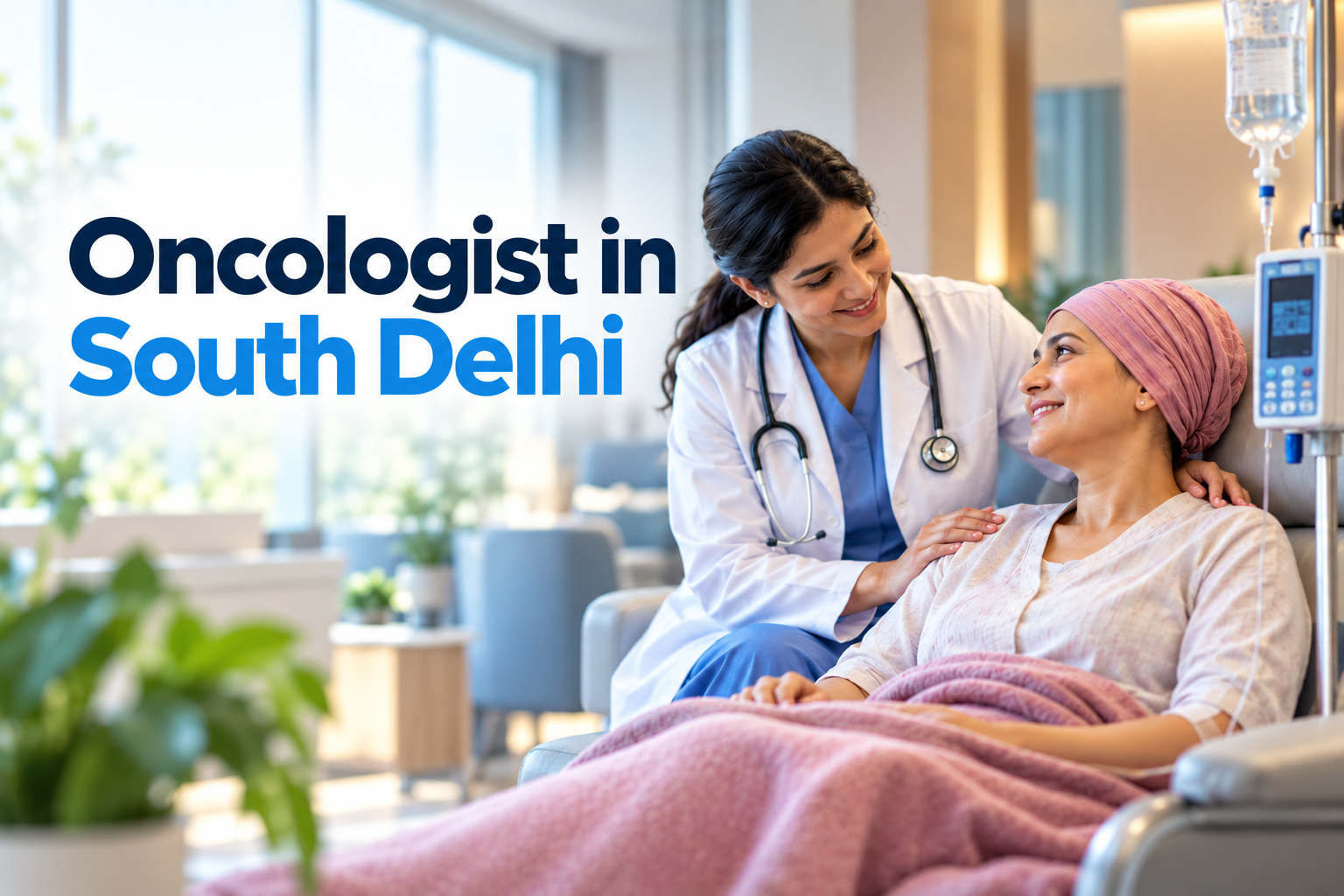
Finding the right oncologist in South Delhi is an important step after a cancer diagnosis. Patients and families often have many questions about the cancer type, stage, available treatments, possible side effects, and recovery. Having an experienced oncology team can make these decisions easier to understand and help patients move through their treatment journey with greater clarity.
At Shichim, cancer care follows a structured and patient-focused approach. From the first consultation to personalised treatment planning, day-care treatment, monitoring, nutrition, and recovery support, patients receive guidance throughout their care journey. A cancer specialist South Delhi patients consult can review their condition and recommend an appropriate treatment strategy based on their individual medical needs.
What Does an Oncologist in South Delhi Do?
An oncologist is a doctor who specialises in cancer diagnosis, treatment, and ongoing management. The role of an oncologist in South Delhi is not limited to prescribing medicines. The doctor reviews diagnostic reports, evaluates the patient's overall condition, explains treatment options, monitors treatment response, and helps manage possible side effects.
During an oncology consultation, the doctor may review pathology reports, biopsy results, imaging scans, blood investigations, previous treatments, and medical history. This information helps the oncologist understand the cancer type, stage, and other factors that may influence treatment decisions.
A medical oncologist South Delhi patients visit may recommend treatments such as chemotherapy, targeted therapy, immunotherapy, or other systemic therapies when clinically appropriate. Cancer treatment may also involve coordination with surgical oncologists, radiation oncologists, radiologists, pathologists, and other specialists.
Why Choosing the Right Cancer Specialist in South Delhi Matters
Cancer is not a single disease. Different cancers behave differently, and even patients diagnosed with the same cancer may require different treatment approaches.
A cancer specialist South Delhi patients choose should evaluate the complete clinical picture rather than relying on a one-size-fits-all treatment strategy. Important factors may include the cancer type, stage, pathology findings, tumour characteristics, previous treatments, age, overall health, and existing medical conditions.
Modern cancer care increasingly focuses on personalised treatment. This means that treatment decisions are made according to the individual patient's diagnosis and clinical needs.
Communication is equally important. A good cancer doctor South Delhi should explain the diagnosis and treatment options in understandable language so patients and their families can participate in important decisions with greater confidence.
Types of Cancer Specialists Involved in Treatment
Cancer care may involve different types of oncologists depending on the diagnosis and treatment requirements.
Medical Oncologist
A medical oncologist specialises in treating cancer using medicines. These may include chemotherapy, targeted therapy, immunotherapy, and other systemic treatments. A medical oncologist South Delhi may also monitor treatment response and help manage treatment-related side effects.
Surgical Oncologist
A surgical oncologist specialises in cancer surgery. Surgery may be recommended when removing a tumour or affected tissue is considered appropriate for the cancer type and stage.
Radiation Oncologist
A radiation oncologist uses radiation therapy to treat cancer. Radiation may sometimes be used independently or combined with surgery and systemic treatments.
Depending on the patient's condition, an oncology doctor South Delhi may coordinate with these specialists to develop a comprehensive treatment strategy.
What Happens During an Oncology Consultation in South Delhi?
An oncology consultation South Delhi patients attend usually begins with a detailed review of their medical history and diagnostic reports. The oncologist may examine pathology findings, imaging studies, blood reports, previous prescriptions, and details of earlier treatments.
The doctor can then explain what is currently known about the diagnosis and whether additional investigations are required. Once sufficient information is available, treatment options can be discussed.
Patients should use this opportunity to ask questions about the purpose of treatment, expected treatment schedule, possible side effects, monitoring requirements, and whether treatment can be delivered in a day-care setting.
A productive consultation should help patients understand what happens next rather than leaving them confused by complicated medical terminology.
Personalised Cancer Treatment Planning
Every patient's cancer journey is different. This is why personalised treatment planning is an important part of modern oncology.
An oncologist in South Delhi may consider several factors before recommending treatment. These include the cancer type, stage, tumour characteristics, pathology findings, overall health, previous treatments, and treatment goals.
In selected cancers, biomarker or molecular testing may provide additional information that helps doctors determine whether particular targeted therapies or other treatments could be appropriate.
Treatment objectives may also vary. Depending on the diagnosis, therapy may be intended to eliminate cancer, reduce recurrence risk, control disease progression, shrink a tumour, or manage symptoms.
Personalised planning helps ensure that treatment decisions are based on the patient's actual clinical condition.
Cancer Treatment Options
Cancer treatment can involve one therapy or a combination of different approaches.
Chemotherapy uses medicines to destroy cancer cells or interfere with their growth. Depending on the treatment protocol, some chemotherapy sessions can be administered in a day-care environment.
Targeted therapy acts on particular biological features involved in cancer growth. These treatments are suitable only for selected cancers and patients, which is why appropriate testing may be required.
Immunotherapy helps the immune system recognise or respond to cancer cells more effectively. Its suitability depends on cancer type, stage, biomarkers, and other clinical factors.
Surgery may be recommended when a tumour can be removed and surgical treatment is appropriate.
Radiation therapy uses controlled high-energy radiation to damage cancer cells and may be used independently or together with other cancer treatments.
The appropriate approach should always be determined by a qualified oncology team after evaluating the patient's condition.
Day-Care Cancer Treatment in South Delhi
Many patients associate cancer treatment with prolonged hospital stays. However, selected cancer therapies can be delivered through a day-care model when medically appropriate.
In day-care treatment, patients arrive at the centre for their scheduled therapy. The medical team performs the required assessment, administers treatment, and monitors the patient's condition. Once treatment and appropriate observation are complete, suitable patients can return home the same day.
This approach can make repeated treatment sessions easier to manage while maintaining medical supervision.
However, day-care treatment is not suitable for every patient or every therapy. An oncologist in South Delhi should determine the appropriate treatment setting based on clinical requirements and patient safety.
The Shichim Cancer Care Journey
Shichim follows a structured care pathway designed to guide patients from their initial appointment through treatment and recovery.
1. Call or Book
The journey starts when a patient requests an appointment. A coordinator helps facilitate the next steps so the patient can begin the consultation process.
2. Consultation
A senior oncologist listens to the patient's concerns, evaluates available medical information, and explains the diagnosis and treatment considerations clearly.
3. Personalised Treatment Plan
A treatment plan is developed according to the patient's cancer type, stage, condition, and clinical requirements. This may include the treatment approach, schedule, monitoring, and supportive care.
4. Day-Care Treatment
When clinically suitable, patients can receive cancer treatment at the centre without routine overnight hospital admission and return home the same day after appropriate monitoring.
5. Recovery and Ongoing Support
Cancer care does not end after treatment administration. Ongoing monitoring, nutrition guidance, and supportive care can help patients throughout recovery.
Day-Care Oncology vs Inpatient Cancer Treatment
Both treatment settings have important roles, and the right choice depends on medical requirements.
| Factor | Day-Care Oncology | Inpatient Treatment |
|---|---|---|
| Hospital stay | Usually same-day discharge when clinically appropriate | Overnight or extended admission may be required |
| Treatment environment | Structured for suitable outpatient therapies | Designed for patients requiring more intensive care |
| Monitoring | Before, during, and after scheduled treatment | Extended or continuous monitoring |
| Daily routine | More time can be spent at home between sessions | Patient remains admitted during treatment |
| Flexibility | Useful for suitable recurring treatment cycles | Appropriate for complex treatments or conditions |
| Clinical suitability | Determined by treatment type and patient condition | Used when hospital-level observation is required |
Day-care treatment should not be selected simply for convenience. The patient's oncology doctor South Delhi should decide which environment is medically appropriate.
Monitoring and Recovery During Cancer Treatment
Monitoring is essential throughout cancer treatment. Doctors may perform blood tests and other investigations before certain treatment cycles to evaluate blood counts, organ function, and general health.
During therapy, the medical oncologist South Delhi can evaluate how well the patient is tolerating treatment and whether any significant side effects are developing.
Patients should report new or worsening symptoms to their oncology team rather than waiting until their next scheduled appointment.
Nutrition can also play an important supportive role. Cancer treatment may affect appetite, taste, digestion, or energy levels. Nutrition guidance should therefore consider the patient's treatment and individual requirements instead of relying on generic diets.
At Shichim, ongoing monitoring, nutrition, and supportive care are incorporated into the recovery journey.
How to Prepare for an Oncology Consultation
Before an oncology consultation South Delhi, patients should organise relevant medical records. These may include pathology reports, biopsy findings, imaging reports, blood investigations, previous prescriptions, and information about earlier treatments.
It is also helpful to prepare questions in advance. Patients may want to understand their cancer type and stage, treatment objectives, possible therapies, expected monitoring, and potential side effects.
Patients should also inform the doctor about existing medical conditions, medicines, allergies, and supplements they are currently taking.
Being prepared allows the oncologist to understand the patient's medical history more efficiently and can make the consultation more productive.
Why Choose Shichim for Oncology Care in South Delhi?
Patients searching for an oncologist in South Delhi need more than a consultation. They need a structured care journey that connects diagnosis, treatment planning, therapy, monitoring, and recovery.
Shichim focuses on a patient-centred approach. A senior oncologist evaluates the patient's condition and explains the clinical situation clearly. Treatment is then personalised according to the cancer type, stage, and individual condition.
When clinically appropriate, day-care treatment allows patients to receive therapy without routine overnight admission. The care journey continues with monitoring, nutrition, and support throughout recovery.
This integrated approach can help patients and families understand each stage rather than navigating cancer treatment without a clear pathway.
Conclusion:
Choosing the right oncologist in South Delhi is an important part of making informed decisions about cancer care. Effective treatment begins with understanding the diagnosis, reviewing the patient's complete medical condition, and developing an individualised treatment strategy.
Whether a patient needs a cancer specialist South Delhi, medical oncologist South Delhi, cancer doctor South Delhi, or an oncology consultation South Delhi, the focus should remain on clinical expertise, clear communication, personalised planning, appropriate monitoring, and continuity of care.
Shichim provides a structured pathway covering specialist consultation, personalised treatment planning, day-care treatment where clinically suitable, and ongoing recovery support. If you or a family member needs oncology care, scheduling a specialist consultation can be the next step toward understanding the diagnosis and building an appropriate treatment plan.