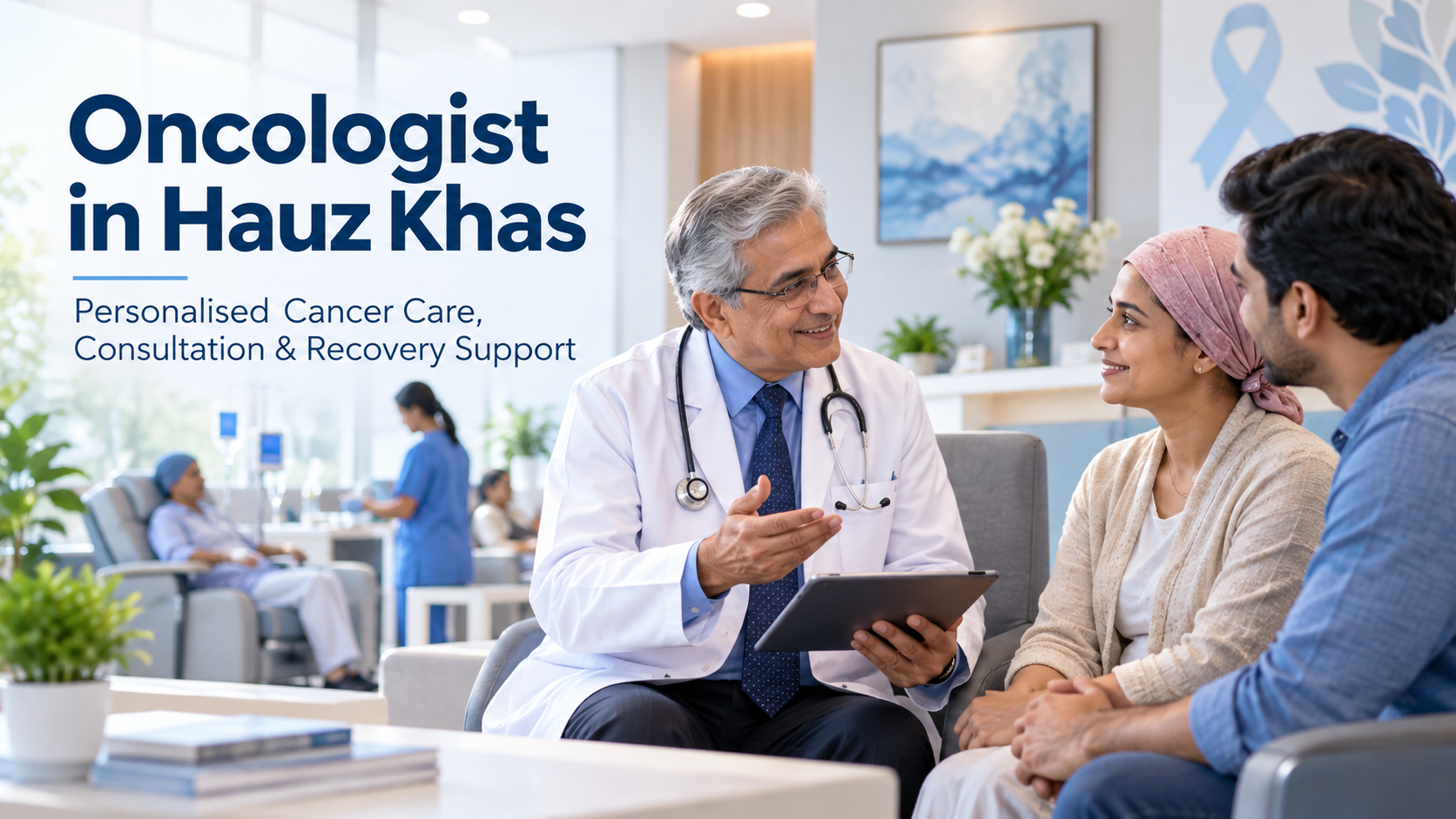
Finding the right oncologist in Hauz Khas can be an important step after a cancer diagnosis or when further evaluation is recommended. Cancer care is rarely about a single consultation. It may involve diagnosis, treatment planning, chemotherapy, monitoring, nutrition guidance, emotional support, and regular follow-up.
At SHICHIM, the focus is on supporting patients through each stage of their cancer journey. The care process begins with consultation and evaluation, followed by a personalised treatment plan based on the cancer type, stage, medical condition, and individual needs.
People looking for a cancer specialist in Hauz Khas often want more than medical expertise. They also want clear communication, convenient treatment, personalised attention, and ongoing support. A patient-centred oncology approach brings these elements together so that patients and families can understand what is happening and what comes next.
What Does an Oncologist Do?
An oncologist is a doctor who specialises in diagnosing, evaluating, treating, and monitoring cancer. Depending on the type of cancer and treatment required, different oncology specialists may become involved in a patient's care.
A medical oncologist Hauz Khas patients consult may help evaluate the disease, discuss treatment options, recommend systemic therapies, monitor treatment response, and coordinate care with other specialists.
The oncologist also plays an important role in helping patients understand complex medical information. Instead of simply prescribing treatment, good oncology care involves discussing the diagnosis, treatment goals, possible side effects, monitoring requirements, and recovery process.
For example, a patient newly diagnosed with cancer may have several reports, scans, and test results. The oncology doctor reviews these findings and uses them to develop an appropriate care plan.
Types of Oncology Specialists
Cancer care often involves multiple medical disciplines. Understanding the main types of oncology specialists can help patients know which doctor may be involved in their treatment.
Medical Oncologist
A medical oncologist primarily manages cancer using systemic treatments such as chemotherapy and other medicines recommended according to the patient's diagnosis.
Patients searching for a medical oncologist Hauz Khas may require consultation for treatment planning, ongoing therapy, monitoring, or follow-up care.
The medical oncologist regularly evaluates how the patient is responding to treatment and may adjust the treatment strategy when clinically appropriate.
Surgical Oncologist
A surgical oncologist specialises in cancer-related surgery. Surgery may be considered when a tumour can be removed or when tissue is required for diagnosis.
Surgical treatment is not suitable for every cancer or every stage. The recommendation depends on factors such as tumour location, spread of disease, the patient's health, and the expected benefit of surgery.
Radiation Oncologist
A radiation oncologist manages cancer treatment using radiation therapy.
Radiation may sometimes be used as the primary treatment, while in other situations it may be combined with surgery, chemotherapy, or other forms of cancer treatment.
Multidisciplinary Cancer Care
Some patients need input from several specialists rather than one doctor alone.
A multidisciplinary approach may involve medical oncologists, surgeons, radiation specialists, radiologists, pathologists, nutrition professionals, and supportive-care teams.
This approach allows different aspects of the patient's condition to be considered before treatment decisions are made.
How Cancer Treatment Is Planned
There is no single treatment plan that works for every cancer patient.
A cancer doctor Hauz Khas patients consult will generally consider several important factors before recommending treatment, including the cancer type, stage, tumour characteristics, test results, previous treatment, overall health, and individual medical condition.
This is why personalised treatment planning is important.
Two patients with similar cancers may still receive different treatment strategies because their disease characteristics or overall health may be different.
At SHICHIM, the treatment journey is designed around the individual rather than applying the same approach to everyone.
The SHICHIM Cancer Care Journey
Cancer treatment can feel overwhelming when patients do not know what to expect. A structured care pathway can make the process easier to understand.
At SHICHIM, patients are supported throughout the journey:
-
Call or Book: A patient can begin by requesting an appointment. A coordinator then connects with the patient and helps guide the next step.
-
Consultation: A senior oncologist listens to the patient's concerns, evaluates available reports and medical history, and explains the condition clearly.
-
Your Plan: A personalised treatment plan is created based on cancer type, stage, health condition, and other relevant medical factors.
-
Day-Care Treatment: When clinically appropriate, treatment may be provided through day-care services so patients can receive therapy and return home without overnight admission.
-
Recovery: Monitoring, nutritional guidance, supportive care, and follow-up continue throughout the recovery journey.
This structured approach helps patients know what comes next rather than feeling uncertain about each stage of treatment.
Day-Care Oncology Treatment
One important development in modern oncology is the increasing use of day-care treatment.
Certain cancer therapies can be provided without overnight hospital admission when the patient's condition and treatment protocol make this medically appropriate.
A patient may arrive at the centre, undergo evaluation, receive the prescribed treatment, remain under observation as required, and return home afterward.
Day-care oncology can provide several advantages, including greater convenience, reduced disruption to normal routines, structured monitoring, and a more comfortable treatment experience for suitable patients.
However, day-care treatment is not appropriate for every situation. Some patients may require hospital admission because of their medical condition, treatment complexity, side effects, or monitoring requirements.
The oncology team determines the appropriate setting according to medical need.
Comparing Different Cancer Care Approaches
| Care Approach | Main Focus | Common Use | Patient Experience |
|---|---|---|---|
| Medical Oncology | Medicine-based cancer treatment | Systemic cancer therapies and monitoring | Regular consultations and treatment sessions |
| Surgical Oncology | Removal of cancerous tissue | Suitable localised or operable cancers | Surgery followed by recovery and monitoring |
| Radiation Oncology | Targeted radiation treatment | Local tumour treatment and disease control | Planned treatment sessions over a defined period |
| Day-Care Oncology | Treatment without overnight admission | Suitable outpatient cancer therapies | Treatment followed by return home when medically appropriate |
| Multidisciplinary Care | Combined specialist expertise | Complex or multi-stage cancer treatment | Coordinated treatment across different specialists |
The appropriate approach depends on the patient's diagnosis rather than personal preference alone.
Benefits of Personalised Oncology Care
Cancer treatment has become increasingly personalised. Instead of treating every cancer in exactly the same way, specialists can consider the specific characteristics of the disease and the patient's health.
Personalised cancer care may help improve treatment planning, coordination between specialists, side-effect management, monitoring, and communication with patients.
It can also help patients understand why a particular treatment has been recommended.
Someone searching for the best oncologist near Hauz Khas should therefore look beyond promotional claims and consider whether the doctor provides detailed evaluation, understandable explanations, personalised treatment planning, appropriate monitoring, and coordinated care.
Why Communication Matters in Cancer Care
Cancer treatment involves many decisions, medical reports, and unfamiliar terms.
Clear communication between the doctor, patient, and family can make the treatment journey easier to manage.
Patients should feel comfortable asking questions such as why a treatment is being recommended, what the treatment is expected to achieve, what monitoring may be required, and which side effects should be reported.
A reliable oncology doctor Hauz Khas patients consult should explain important information in understandable language rather than leaving patients confused about their treatment.
Good communication also helps patients participate more actively in their own care.
Challenges in Cancer Treatment
Cancer care can involve several challenges. Treatment may require repeated appointments, monitoring, diagnostic testing, lifestyle adjustments, and management of treatment-related effects.
Some patients also experience uncertainty or emotional stress during treatment.
Another challenge is that cancer treatment plans may change. A doctor may need to modify therapy based on test results, treatment response, side effects, or changes in the patient's health.
Patients should therefore avoid assuming that one treatment plan will remain unchanged throughout the entire journey.
Regular monitoring and communication with the oncology team are essential.
Common Mistakes Patients Should Avoid
Patients can make their cancer journey safer and more organised by avoiding a few common mistakes:
-
Delaying specialist consultation after being advised to seek oncology evaluation.
-
Choosing treatment solely based on online claims or promotional language.
-
Comparing treatment plans with other patients without considering differences in diagnosis.
-
Hiding symptoms or treatment side effects from the medical team.
-
Stopping or changing prescribed treatment without consulting the treating doctor.
-
Ignoring nutrition, hydration, follow-up appointments, or supportive-care recommendations.
-
Depending entirely on internet information instead of discussing concerns with qualified healthcare professionals.
Online resources can help patients learn about cancer, but they should support—not replace—professional medical guidance.
Why Choose SHICHIM for Cancer Care in Hauz Khas?
SHICHIM focuses on providing a structured and patient-centred cancer care experience.
Patients searching for a cancer specialist in Hauz Khas may benefit from an approach where consultation, treatment planning, day-care treatment, monitoring, and recovery support are connected rather than treated as separate steps.
The process begins by understanding the patient and their medical condition. A senior oncologist evaluates the case and explains the available treatment approach clearly.
A personalised plan is then created according to the cancer type, stage, and patient's condition.
When suitable, day-care treatment allows patients to receive therapy without unnecessary overnight admission. Ongoing monitoring, nutritional guidance, and support continue throughout recovery.
The aim is to make cancer care more organised, understandable, and supportive for both patients and families.
How to Prepare for an Oncology Consultation
Preparing before meeting an oncologist in Hauz Khas can help make the consultation more productive.
Patients should organise relevant medical records such as previous prescriptions, pathology reports, biopsy findings, imaging reports, blood test results, hospital discharge summaries, and information about current medicines.
It is also useful to write down important questions before the appointment.
For example, patients may want to understand the exact diagnosis, treatment objective, available treatment options, expected treatment schedule, possible side effects, monitoring process, and follow-up requirements.
A family member may also accompany the patient when appropriate, particularly if the patient feels overwhelmed by the amount of medical information being discussed.
Future of Oncology Care
Cancer care continues to move toward more personalised, coordinated, and patient-focused treatment.
Advances in diagnostics are helping specialists understand tumour characteristics more precisely. Treatment decisions are increasingly supported by detailed pathology, molecular information, imaging, and individual patient factors.
Another major trend is the expansion of outpatient and day-care oncology services for suitable treatments.
Digital systems may also improve appointment coordination, medical record management, remote follow-up, symptom tracking, and communication between patients and healthcare teams.
Supportive care is also receiving greater attention. Nutrition, recovery guidance, emotional support, symptom management, and long-term monitoring are increasingly recognised as important parts of comprehensive cancer treatment.
The future of oncology is therefore not simply about treating the tumour. It is about creating a more coordinated care experience around the patient.
Take the Next Step Toward Personalised Cancer Care
A cancer diagnosis can create many questions, but patients do not have to navigate those questions without professional guidance.
Choosing an experienced oncologist in Hauz Khas can help you better understand the diagnosis, available treatment options, and the next steps in your care journey.
SHICHIM provides a structured approach that includes specialist consultation, personalised treatment planning, suitable day-care treatment, continuous monitoring, nutrition support, and recovery guidance.
If you or a family member needs oncology care, consider scheduling a consultation with SHICHIM to discuss the medical condition with an oncology specialist and understand a personalised path forward.