
Chemotherapy Centre in Saket: A Guide to Personalised Care with Shichim
Searching for a chemotherapy centre in Saket often begins with important questions. Which treatment do you need? Can you return home afterwards? Who will help if side effects develop?
Clear answers can make a difficult situation easier to manage. Chemotherapy involves more than receiving medicines. It requires careful planning, safety checks, symptom management, and regular communication with your oncology team.
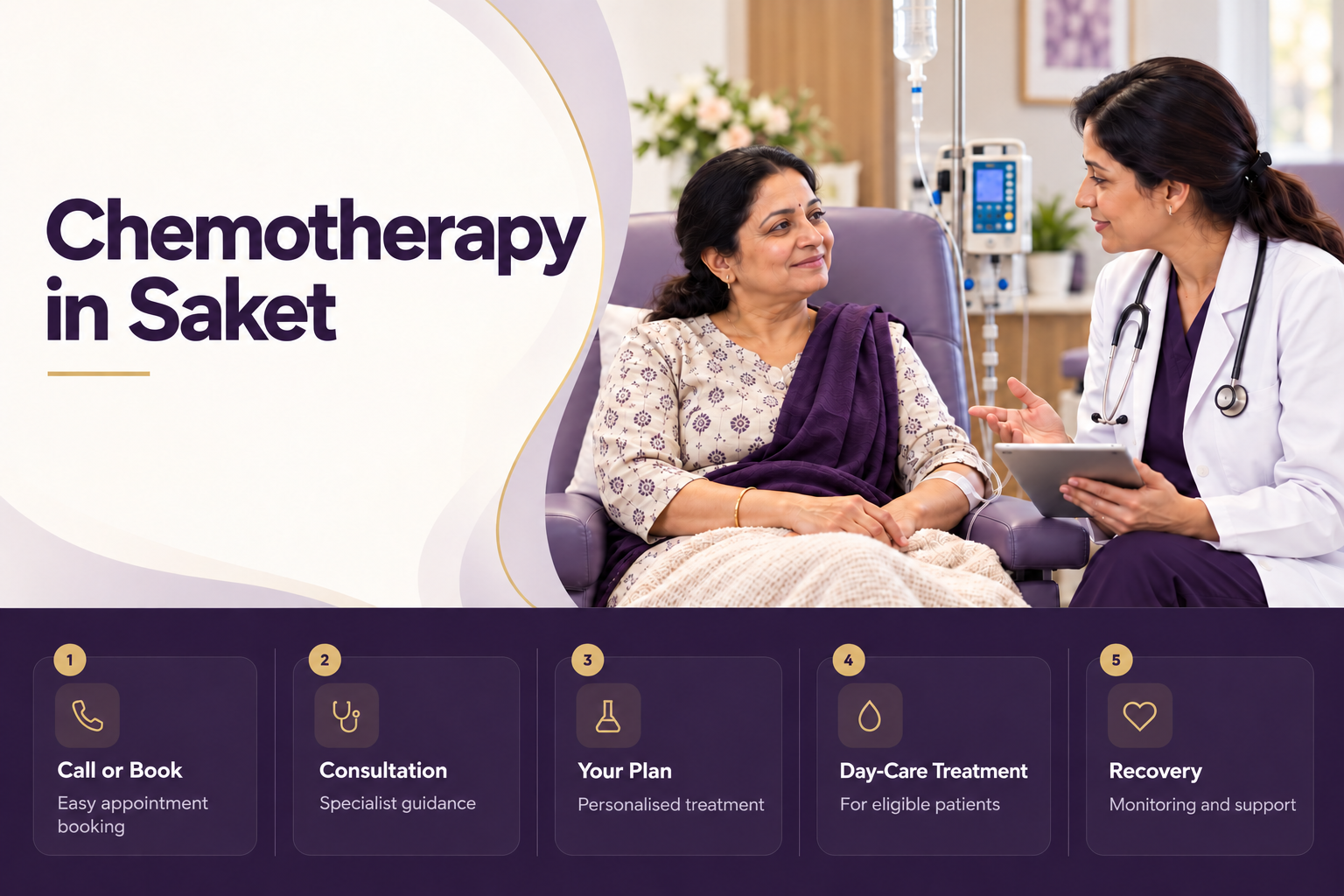
For patients exploring chemotherapy in Saket, Shichim offers a nearby option to discuss at its listed Hauz Khas location. Its approach includes specialist consultation, personalised planning, eligible day-care treatment, and recovery support. Confirm current services and appointment availability before travelling.
Understanding Chemotherapy and Its Purpose
Chemotherapy uses medicines to kill cancer cells or stop their growth. It can also affect healthy cells that divide quickly, which explains many treatment side effects.
The reason for recommending chemotherapy differs between patients. Your oncologist should explain whether treatment aims to cure the disease, reduce recurrence risk, control cancer, or relieve symptoms.
Treatment Before Surgery
Neoadjuvant chemotherapy is given before the main treatment, often surgery. In suitable cases, it helps shrink a tumour and supports the overall treatment strategy.
Treatment After Surgery
Adjuvant chemotherapy may be recommended after surgery to address cancer cells that could remain. Its purpose is to lower the risk of the cancer returning.
Treatment for Disease Control
For some advanced cancers, chemotherapy aims to slow growth or reduce symptoms. Decisions should balance expected benefits, treatment burden, and quality of life.
These categories describe treatment goals. They do not determine whether someone needs day-care or inpatient treatment.
How Chemotherapy Is Given
Intravenous Chemotherapy
Intravenous chemotherapy enters a vein through a cannula or another access device, such as a port. The prescribed medicine and infusion requirements influence the appointment length.
Ask what the visit involves, whether observation is needed afterwards, and how the team manages discomfort or reactions.
Oral Chemotherapy
Oral chemotherapy comes as tablets, capsules, or liquids. Taking it at home can be convenient, but it still requires specialist supervision.
Follow the exact schedule and handling instructions. Ask what to do if you miss a dose or vomit after taking medicine. Do not double a dose without advice.
Other Delivery Methods
Some cancers require chemotherapy delivered through injections or specialised procedures. The route depends on the disease and treatment plan.
Not every centre provides every method. Confirm that the facility can deliver your prescribed regimen and arrange any additional care needed.
Day-Care and Inpatient Chemotherapy Compared
Day-care chemotherapy means receiving planned treatment without a routine overnight stay. Discharge depends on your condition and the treating team's assessment.
For people considering day care chemotherapy, Saket-based families should discuss both medical eligibility and practical support at home.
| Feature | Day-Care Chemotherapy | Inpatient Chemotherapy |
|---|---|---|
| Suitable circumstances | Selected regimens for clinically stable patients | Treatment requiring prolonged supervision or complex support |
| Stay | Return home after assessment and clearance | Overnight admission when necessary |
| Monitoring | During the appointment and scheduled reviews | Continued monitoring throughout admission |
| Home arrangements | Transport and suitable support may be needed | Care provided during the hospital stay |
| Main benefit | Less disruption when medically appropriate | Access to ongoing hospital care |
| Main limitation | Unsuitable for some treatments or complications | Greater disruption to usual routines |
Neither setting is automatically better. A patient receiving a suitable infusion may go home afterwards, while someone needing extended monitoring may require admission.
Your Treatment Journey with Shichim
Shichim describes a care process that begins with booking and continues through recovery. Use each stage to clarify your needs and responsibilities.
1. Call or Book
Request a consultation and ask which reports to bring. Confirm the appointment location and whether the required service is currently available.
2. Consultation
A senior oncologist reviews your diagnosis, previous treatment, symptoms, and health history. Bring your questions and ask for explanations in language you understand.
3. Your Plan
Your personalised plan considers the cancer type, stage, and condition. Discuss the purpose of treatment, likely benefits, possible side effects, and review schedule.
4. Day-Care Treatment
Eligible patients receive treatment at the centre and may return home following assessment. Ask about observation, discharge instructions, and arrangements if additional medical care becomes necessary.
5. Recovery
Ongoing monitoring, nutrition guidance, and support help address changing needs. Ask what follow-up includes and how to raise concerns between visits.
What Happens Before Each Treatment Cycle?
Treatment usually includes recovery intervals. Before each cycle, clinicians review symptoms and blood tests. They may adjust treatment for safety. Ask which tests and preparation your appointment requires. Always follow your individual instructions.
Managing Side Effects and Recognising Warning Signs
Side effects depend on the medicines, doses, and individual response. Not everyone experiences the same symptoms.
Nausea and Eating Difficulties
Anti-sickness medicines can help prevent or control nausea. Take them as prescribed and report symptoms that interfere with eating or drinking.
Ask for dietary guidance if appetite changes, mouth discomfort, or vomiting make meals difficult. Persistent problems deserve assessment.
Fatigue and Daily Activities
Cancer-related fatigue can affect work, household tasks, and concentration. Discuss it with your team rather than assuming it must be tolerated.
Plan essential activities for times when you feel stronger. Ask which level of physical activity is suitable and arrange help when needed.
Infection Risk
Some chemotherapy medicines lower infection-fighting blood cells. Fever, chills, or other signs of infection require prompt contact with your treating team.
Follow the emergency instructions provided. Do not wait until the next appointment or take fever-reducing medicine without advice, because it may hide an important warning sign.
Other Changes to Report
Tell your team about new or worsening symptoms, including numbness, unusual bruising, bowel changes, or problems around an infusion site.
Keep a symptom diary with dates and descriptions. This can help clinicians identify patterns and decide whether treatment or supportive care needs adjustment.
Choosing a Chemotherapy Centre in Saket
Choosing a centre involves more than finding the nearest appointment. Look for a service that fits your prescribed treatment and explains its safety arrangements.
When evaluating a chemo centre, Saket residents can discuss:
-
Clinical supervision: Who prescribes treatment and reviews your condition?
-
Treatment capability: Can the centre safely deliver your exact regimen?
-
Emergency arrangements: What happens during a reaction or medical emergency?
-
Continuity: How are updates shared with your other treating specialists?
-
Follow-up: Who handles concerns after you return home?
-
Practical access: Can you manage travel, accessibility, and caregiver needs?
Before selecting a chemotherapy clinic, Saket families should also ask for written treatment instructions. Clear information helps patients and caregivers understand what to expect.
Preparing for Appointments and Home Recovery
Keep your biopsy reports, scans, blood tests, and prescriptions together. Include a current list of medicines, supplements, allergies, and other medical conditions.
Choose comfortable clothing and ask what you may bring during the visit. Plan transport with enough flexibility for assessments or observation.
For outpatient chemotherapy, Saket residents should consider the journey home as part of preparation. Avoid assuming every appointment will take the same amount of time.
For example, someone managing treatment alongside work could request an appointment summary and discuss temporary flexibility with their employer. A caregiver could help organise records and record questions.
At home, follow the team's instructions for medicines, food safety, and any precautions involving treatment-related waste. Ask for clarification instead of relying on advice intended for another patient.
Common Mistakes to Avoid
-
Do not change doses without advice.
-
Check before starting supplements or herbal products.
-
Report new symptoms promptly.
-
Keep scheduled reviews, even when feeling well.
Side effects alone cannot show whether chemotherapy is working.
Chemotherapy and Other Cancer Treatments
Chemotherapy is one part of cancer care. Surgery and radiation treat particular areas, while several drug treatments can act throughout the body.
Targeted therapy acts on specific cancer-related features. Immunotherapy helps the immune system fight cancer. Hormone therapy is used for selected hormone-sensitive cancers.
These approaches may be alternatives or partners to chemotherapy, depending on the diagnosis. They are not interchangeable choices based only on convenience.
Ask why your recommended combination is appropriate. If surgery or radiation is needed elsewhere, discuss how appointments, reports, and treatment decisions will be coordinated.
Future Directions in Chemotherapy Care
Cancer treatment is becoming more informed by tumour biology. In selected cancers, biomarker testing can help identify suitable targeted medicines, immunotherapy options, or clinical trials.
This does not mean chemotherapy is becoming unnecessary for everyone. Its role depends on evidence for the particular diagnosis and treatment setting.
Patients can ask whether testing would change their plan and how different options compare in expected benefit and burden. New treatments require the same careful assessment as established ones.
Conclusion
Finding a suitable chemotherapy centre in Saket means balancing specialist expertise, treatment capability, practical access, and reliable follow-up. Understanding the purpose of your treatment helps you participate confidently in decisions.
For nearby care, request a consultation with Shichim to review your reports and discuss personalised planning, day-care eligibility, and recovery support. Take the next step towards a care plan shaped around your medical needs and daily life.