Finding the right chemotherapy centre in Hauz Khas is an important step for patients and families navigating cancer treatment. Chemotherapy often involves multiple treatment cycles, medical reviews, blood tests, side-effect monitoring, and ongoing support. Having access to cancer care closer to home can therefore make the overall treatment journey more manageable.
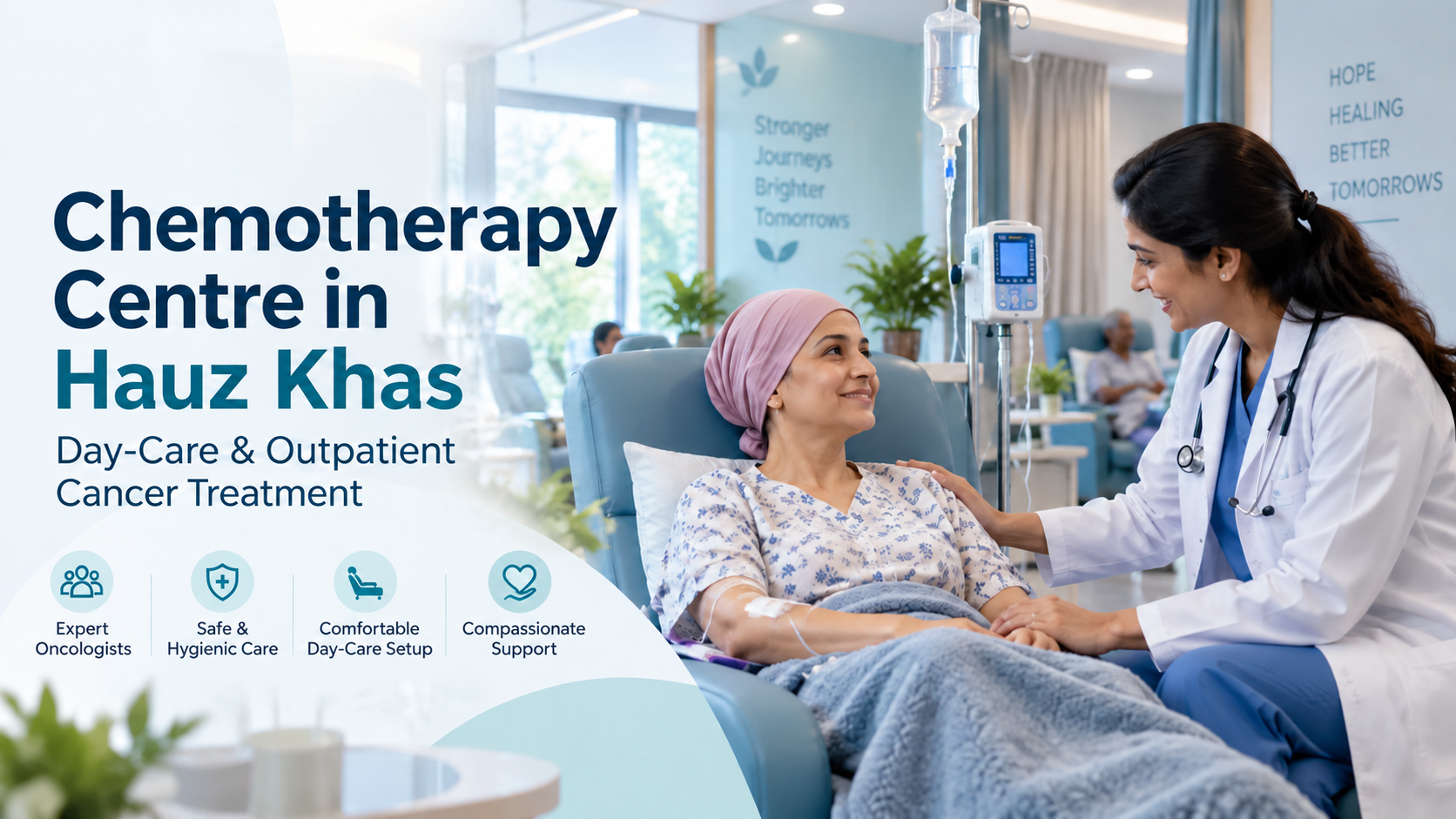
For eligible patients, modern chemotherapy in Hauz Khas may be provided through a day-care or outpatient model. This means patients can visit the treatment centre, receive the prescribed therapy under medical supervision, complete the required monitoring, and return home the same day instead of being admitted overnight.
At Shichim, the care pathway is designed around consultation, personalised treatment planning, day-care treatment and continued recovery support. Every cancer diagnosis is different, so decisions about chemotherapy, medicines, treatment frequency and whether day-care treatment is appropriate should always be made by the treating oncology team.
What Is a Chemotherapy Centre in Hauz Khas?
A chemotherapy centre in Hauz Khas is a healthcare facility where patients can receive prescribed chemotherapy and associated cancer-care services under professional medical supervision.
Chemotherapy refers to medicines used to destroy cancer cells or slow their growth. According to the National Cancer Institute, chemotherapy may be used to treat cancer, reduce the chance of recurrence, slow cancer growth or help relieve symptoms caused by cancer. It may be used alone or together with surgery, radiation therapy or other cancer treatments.
The exact treatment varies considerably from one patient to another. The type of cancer, its stage, previous treatments, other health conditions, treatment goals and the patient's overall condition can all influence the chemotherapy plan.
A chemo centre in Hauz Khas can therefore be much more than simply a place where medicines are administered. A structured chemotherapy service involves evaluation before treatment, treatment planning, appropriate drug administration, monitoring during therapy and guidance about recovery and possible side effects.
For people who require repeated treatment cycles, choosing a conveniently located chemotherapy clinic in Hauz Khas can also reduce unnecessary travel and make regular appointments easier to manage.
How Chemotherapy Works
Cancer occurs when abnormal cells grow and multiply in an uncontrolled way. Chemotherapy medicines generally work by killing cancer cells or interfering with processes that allow rapidly dividing cells to grow.
Because some healthy cells also divide rapidly, chemotherapy may affect them as well. This is one reason patients can experience side effects during treatment. The National Cancer Institute notes that chemotherapy-related side effects vary significantly between individuals and can include fatigue, nausea, mouth problems, changes in blood counts, hair loss and other effects depending on the medicines being used.
The presence or absence of side effects does not determine whether chemotherapy is working. Response to treatment is generally assessed through clinical reviews, blood investigations, imaging and other tests appropriate for the cancer being treated.
Why Chemotherapy Plans Differ Between Patients
There is no single chemotherapy schedule suitable for every person with cancer.
An oncologist develops the treatment plan after considering the cancer type, stage and biological characteristics, as well as the patient's general health and previous treatment history.
Some patients receive a single chemotherapy medicine, while others receive a combination of drugs. Treatment may be delivered in cycles, with treatment periods followed by recovery periods.
Chemotherapy may also have different objectives. It can sometimes be given before surgery to reduce the size of a tumour, which is known as neoadjuvant chemotherapy. In other situations, it may be given after surgery to reduce the risk that remaining cancer cells cause recurrence, known as adjuvant chemotherapy. It can also be used to control advanced cancer or help reduce cancer-related symptoms.
This personalised decision-making is why consultation with an oncologist is an essential first step before starting treatment at a chemotherapy centre in Hauz Khas.
Day Care Chemotherapy in Hauz Khas: What Does It Mean?
Day care chemotherapy Hauz Khas refers to chemotherapy delivered without a routine overnight hospital stay when the treatment plan and patient's condition make this appropriate.
The patient arrives at the centre, completes the required clinical checks, receives treatment and is monitored before being allowed to return home.
Outpatient chemotherapy is a well-established model of cancer care. The National Cancer Institute notes that chemotherapy may be provided during a hospital stay, at home or on an outpatient basis in a clinic, doctor's office or hospital.
Similarly, established chemotherapy day units commonly perform blood tests and clinical assessments before treatment because the medical team needs to confirm that it is appropriate to proceed.
However, day-care treatment is not automatically suitable for every chemotherapy regimen or every patient. Some treatments require prolonged observation, specialised monitoring or hospital admission. The oncologist decides the appropriate setting based on the treatment protocol and individual clinical circumstances.
Chemotherapy Without Admission in Hauz Khas
People searching for chemotherapy without admission Hauz Khas are usually looking for a treatment option that does not require spending the night in a hospital.
When medically appropriate, outpatient treatment can make this possible.
A patient may arrive for the scheduled treatment, undergo the required assessments, receive chemotherapy and then return home after the medical team confirms that the patient is stable.
The major advantage is that patients can spend more time in their familiar home environment rather than being routinely admitted to hospital for treatments that can safely be delivered on a day-care basis.
However, the phrase "without admission" should not be interpreted as meaning chemotherapy requires less medical supervision. Appropriate assessment and monitoring remain important because chemotherapy can produce side effects and, with some medicines, infusion reactions.
Outpatient Chemotherapy Hauz Khas: Who May Be Suitable?
Outpatient chemotherapy Hauz Khas may be appropriate for patients whose prescribed treatment can safely be delivered in a day-care setting and who do not require overnight monitoring.
Eligibility is determined by the oncology team rather than by convenience alone.
The doctor may consider the chemotherapy regimen, expected infusion duration, current blood test results, other medical conditions, previous reactions to treatment and the patient's overall physical condition.
Some patients may complete multiple chemotherapy cycles as outpatients. Others may occasionally need hospital-based care depending on their condition or the therapy being used.
This flexibility is important because cancer treatment needs can change during the treatment journey.
Types of Chemotherapy and Cancer Treatments
Chemotherapy can be administered through several methods depending on the drug and treatment protocol.
One of the most common approaches is intravenous chemotherapy, where medicine is delivered directly into a vein. Other chemotherapy drugs can be taken orally as tablets, capsules or liquids. Certain medicines may also be given through injections or specialised routes depending on the disease being treated.
The National Cancer Institute identifies intravenous, oral, injection, intrathecal, intraperitoneal, intra-arterial and topical administration among the different ways chemotherapy can be delivered.
A patient's oncologist selects the appropriate drug, dose, method and schedule.
Cancer care is also increasingly broader than traditional chemotherapy alone.
Depending on the cancer type and its biological characteristics, treatment may involve chemotherapy, targeted therapy, immunotherapy, hormonal treatment, radiation therapy, surgery or combinations of these approaches.
Chemotherapy and Targeted Therapy
Traditional chemotherapy generally acts against rapidly growing cells.
Targeted therapies work differently. They are designed to act on particular proteins or molecular pathways involved in cancer growth and survival. The National Cancer Institute describes targeted therapy as an important foundation of precision medicine.
Not every patient or tumour has an appropriate target for targeted therapy. Testing may therefore be required before determining whether a particular targeted medicine is suitable.
Chemotherapy and Immunotherapy
Immunotherapy uses different mechanisms to help the immune system recognise or attack cancer.
For some cancer types, chemotherapy may still remain an important component of treatment, while for others an oncologist may use immunotherapy or targeted medicines alone or in combination with other therapies.
The appropriate approach depends on established clinical evidence, cancer characteristics and the patient's individual condition.
Treatment Journey at Shichim Chemotherapy Centre in Hauz Khas
A structured patient journey can make cancer treatment easier to understand. At Shichim, the pathway focuses on communication, personalised planning, appropriate treatment and continued support.
1. Call or Book
The process begins when a patient or family member requests an appointment through the available booking system.
A coordinator can help organise the next step so the patient knows where to begin rather than having to navigate the process without guidance.
2. Consultation With an Oncologist
The next stage is a detailed consultation.
A senior oncologist listens to the patient's concerns, reviews available medical information and evaluates the condition. This stage provides an opportunity to understand the diagnosis, ask questions and discuss the available treatment approach.
Cancer treatment should never follow a one-size-fits-all model. The consultation helps establish what may be appropriate for the individual patient.
3. Personalised Treatment Plan
Following assessment, the oncology team develops a treatment plan based on factors such as the cancer type, stage and patient's clinical condition.
Depending on the case, planning may also incorporate previous treatments, test findings, treatment objectives and other relevant medical considerations.
The purpose of personalised planning is to ensure that treatment decisions are based on the patient's actual clinical needs.
4. Day-Care Treatment
When the prescribed treatment is appropriate for outpatient administration, patients can receive therapy through the day care chemotherapy Hauz Khas pathway.
Treatment is administered under supervision, and monitoring takes place according to clinical requirements.
Once the treatment is completed and the medical team considers it appropriate for the patient to leave, the patient can return home the same day.
5. Recovery and Ongoing Support
Cancer care does not end when an infusion finishes.
Patients may require symptom monitoring, nutrition guidance, medical reviews and support as their body recovers between treatment cycles.
At Shichim, ongoing monitoring, nutrition and support form part of the recovery pathway.
What Happens Before a Chemotherapy Session?
Preparation is an important part of chemotherapy safety.
Before treatment, the oncology team may review recent blood test results and assess how the patient has responded to previous therapy. Depending on the chemotherapy regimen and patient's health, additional investigations may sometimes be needed.
Blood tests are commonly used before chemotherapy to evaluate factors such as blood cell counts and organ function. Established chemotherapy day units also routinely review patients before treatment and may postpone or adjust therapy when medical findings indicate that proceeding is not appropriate.
Patients should inform their oncology team about all prescription medicines, over-the-counter medicines, vitamins, herbal products or supplements they use because certain substances may interact with cancer treatment.
Any new symptoms should also be reported rather than waiting until treatment begins.
What Happens During Chemotherapy?
On the treatment day, the clinical team confirms the planned therapy before chemotherapy is administered.
For intravenous treatment, medication may be delivered through an IV line or another access device when clinically appropriate.
Certain chemotherapy or cancer medicines may require medicines before the infusion to reduce the likelihood of nausea, allergic reactions or other treatment-related problems.
During intravenous treatment, the team monitors the patient for possible reactions.
Although most treatments proceed without a serious immediate reaction, some chemotherapy medicines, monoclonal antibodies and other infusion therapies can occasionally cause infusion reactions. These reactions may include symptoms such as flushing, rash, fever, chills, breathing difficulty, dizziness or other changes that require medical attention.
This is one reason professionally supervised treatment at a chemotherapy clinic in Hauz Khas is important.
What Happens After Day-Care Chemotherapy?
After treatment, patients may be observed for a period determined by their treatment protocol and condition.
Before leaving the centre, patients should understand what symptoms can reasonably be managed at home and what symptoms require urgent contact with the treatment team or emergency medical care.
Patients should follow the instructions provided by their oncology team regarding medicines, hydration, nutrition, activity and follow-up tests.
Side effects can develop at different times. Some may occur shortly after treatment, while others may appear later. They can also differ from one treatment cycle to another.
Therefore, maintaining communication with the cancer-care team remains important even after leaving the chemo centre Hauz Khas.
Day-Care Chemotherapy vs Hospital Admission
Both day-care chemotherapy and inpatient chemotherapy have important roles in cancer treatment. The correct choice depends on medical requirements rather than one approach being universally better than the other.
| Feature | Day-Care / Outpatient Chemotherapy | Inpatient Chemotherapy |
|---|---|---|
| Treatment setting | Patient visits the chemotherapy centre and normally returns home the same day | Patient remains admitted to the hospital |
| Suitability | Appropriate for selected chemotherapy regimens and clinically suitable patients | Used when treatment or the patient's condition requires hospital-based observation or management |
| Overnight stay | Usually not required | Required during admission |
| Monitoring | Monitoring is provided during treatment and according to the treatment protocol | Continuous hospital access is available throughout admission |
| Daily routine | Can allow suitable patients to return to their normal home environment after treatment | Patient remains within the hospital environment during the admission period |
| Flexibility | Suitable for many scheduled treatment cycles when clinically appropriate | Useful for more intensive therapy or situations requiring closer observation |
| Follow-up | Requires clear instructions and continued communication after discharge from the day-care session | Immediate hospital-based clinical support remains available during admission |
| Decision process | Determined by oncologist, treatment regimen and patient condition | Determined by oncologist, treatment regimen and patient condition |
The goal is not simply to avoid hospital admission. The priority is to choose the setting where the prescribed treatment can be delivered appropriately and safely.
Benefits of Choosing a Day-Care Chemotherapy Centre in Hauz Khas
One important benefit of a local chemotherapy centre in Hauz Khas is convenience during repeated treatment cycles.
Cancer treatment can involve frequent appointments. Reducing unnecessary travel can make treatment days easier for patients and family members, particularly when fatigue develops.
Another potential advantage is the ability to return home after treatment when the patient is medically suitable for outpatient care. A familiar home environment may help patients maintain their routine between treatment sessions.
Day-care treatment can also create a more streamlined treatment experience because consultation, scheduled therapy, monitoring and follow-up can be organised around a structured oncology pathway.
Most importantly, patients should choose a facility based on the quality and coordination of medical care rather than convenience alone.
Managing Common Chemotherapy Side Effects
Chemotherapy affects each person differently.
Even patients receiving similar drugs may experience different side effects or different levels of severity.
Possible effects can include fatigue, nausea, vomiting, appetite changes, mouth problems, changes in bowel habits, hair loss, changes in blood counts, increased infection risk, neuropathy and other symptoms depending on the medicine being used.
Patients should not assume every symptom is an unavoidable part of treatment.
Many chemotherapy side effects can be prevented, reduced or managed with supportive treatment. Reporting symptoms early gives the oncology team an opportunity to assess the cause and recommend appropriate management.
Patients should particularly follow the treatment team's instructions regarding fever, signs of infection, persistent vomiting, breathing difficulty, unusual bleeding, severe weakness or other concerning symptoms.
Nutrition and Recovery During Chemotherapy
Nutrition can become challenging during chemotherapy because treatment may affect appetite, taste, digestion or the mouth and throat.
Rather than following restrictive internet diets or unverified cancer diets, patients should follow advice that takes their treatment and nutritional status into account.
Some people may benefit from smaller and more frequent meals when appetite is reduced. Adequate fluid intake may also be important unless a healthcare professional has advised fluid restriction for another medical reason.
At Shichim, nutrition and recovery support form part of the ongoing care pathway.
This broader approach can be particularly valuable because cancer treatment involves more than simply delivering chemotherapy drugs. Maintaining nutrition, monitoring symptoms and supporting recovery can help patients manage the periods between treatment cycles.
Common Challenges During Chemotherapy and How to Manage Them
One of the biggest challenges during cancer treatment is uncertainty.
Patients frequently have questions about what will happen during their first chemotherapy session, how long treatment might continue and what they will feel like afterwards.
Clear communication can reduce some of this uncertainty.
Before starting chemotherapy in Hauz Khas, patients should understand the purpose of their treatment, how it will be administered, the expected treatment schedule, likely side effects and circumstances in which they should seek medical assistance.
Another challenge is expecting every chemotherapy cycle to feel exactly the same. Side effects can change during the course of treatment, so ongoing monitoring remains necessary.
Patients should also avoid changing prescribed medicines or using herbal remedies and supplements without discussing them with the oncology team. "Natural" products are not automatically harmless, and some may interfere with cancer medicines or other prescribed treatments.
Best Practices Before and During Chemotherapy
Patients can make treatment easier to manage by following several practical principles:
-
Keep an updated list of all medicines and supplements and share it with the oncology team so potential interactions can be reviewed.
-
Complete blood tests and other investigations requested before treatment because results may influence whether the next chemotherapy session proceeds as scheduled.
-
Report new symptoms or significant changes instead of waiting for the next routine appointment.
-
Follow the prescribed supportive medications exactly as directed, including medicines intended to prevent or control nausea and other treatment-related symptoms.
-
Maintain follow-up appointments even when feeling well because clinical monitoring is an important part of assessing treatment response and safety.
-
Ask the oncology team before making major changes to diet, supplements, exercise routines or alternative therapies during active cancer treatment.
These steps cannot guarantee that side effects will not occur, but they can help support safer and more coordinated treatment.
Common Mistakes Patients Should Avoid
One common mistake is comparing chemotherapy experiences with another patient and expecting exactly the same outcome.
Cancer treatment is highly individualised. Two people with apparently similar cancer diagnoses may receive different medicines or experience very different side effects.
Another mistake is assuming that stronger side effects mean chemotherapy is working better. According to the National Cancer Institute, the severity of side effects does not indicate how effectively chemotherapy is treating cancer. turn278355search0
Patients should also avoid skipping appointments or changing the chemotherapy schedule independently. If side effects become difficult, the appropriate step is to speak with the oncology team. Treatment schedules can sometimes be modified when medically necessary, but this decision should be made by the treating professionals.
How Modern Cancer Treatment Is Evolving
Oncology is increasingly moving toward more individualised treatment.
Traditional factors such as cancer type, stage, tumour location and overall patient health remain extremely important, but molecular and biomarker information can now help guide treatment decisions in certain cancers.
Biomarker testing can identify changes in genes, proteins or other characteristics that may help determine whether specific targeted treatments could be useful. However, biomarker-guided therapy is not appropriate or available for every patient.
Precision oncology continues to develop rapidly. Targeted therapies and immunotherapies are increasingly being integrated with established treatment approaches, including chemotherapy, when evidence supports these combinations.
More recent cancer research is also examining what is sometimes called functional precision medicine, where researchers study how living patient-derived tumour cells respond to different treatments. This remains an evolving research area rather than a replacement for established oncology practice.
For patients, the practical meaning of these advances is that modern cancer care is increasingly focused on selecting the right treatment for the right patient rather than using exactly the same strategy for every cancer.
Why Choose Shichim for Chemotherapy in Hauz Khas?
Choosing where to receive chemotherapy is a significant decision.
Patients need more than convenient access to a treatment chair. They need clear medical guidance, personalised planning, treatment monitoring and continued support throughout the cancer journey.
Shichim follows a structured approach beginning with consultation rather than immediately moving into treatment.
A senior oncologist listens to the patient's concerns, evaluates the condition and explains the treatment pathway. A personalised plan is then developed according to the cancer type, stage and individual condition.
When treatment is suitable for day-care delivery, the patient can receive care through the day care chemotherapy Hauz Khas pathway and return home the same day after appropriate treatment and monitoring.
The process also continues beyond the treatment session. Ongoing monitoring, nutrition and recovery support help create continuity across the patient's treatment journey.
For someone searching for a chemotherapy clinic Hauz Khas, this coordinated model can make it easier to move from initial consultation through treatment and recovery without treating each stage as an isolated event.
How to Choose the Right Chemotherapy Centre in Hauz Khas
Location is important, but it should not be the only factor used to choose a chemotherapy centre.
Patients and families should understand who will oversee the treatment, how treatment plans are developed, what monitoring is performed, how side effects are managed and what support is available between treatment cycles.
It is also helpful to ask how the centre manages unexpected symptoms during an infusion and what patients should do if concerning symptoms develop after returning home.
Communication matters as much as infrastructure.
Cancer treatment can involve unfamiliar medical terminology and difficult decisions. Patients should feel comfortable asking questions and should receive understandable explanations about their treatment.
Finally, consider continuity of care. A chemotherapy centre in Hauz Khas that combines oncology consultation, personalised treatment planning, day-care therapy and ongoing recovery support can help create a more coordinated treatment experience.
Conclusion: Take the Next Step With a Chemotherapy Centre in Hauz Khas
Cancer treatment can feel complex, but having a clear treatment pathway can make the journey easier to understand.
A professionally managed chemotherapy centre in Hauz Khas can provide suitable patients with access to oncology consultation, personalised treatment planning, supervised chemotherapy and continued monitoring closer to home.
For eligible patients, day care chemotherapy Hauz Khas, outpatient chemotherapy Hauz Khas and chemotherapy without admission Hauz Khas can provide an alternative to routine overnight hospital stays while maintaining appropriate clinical supervision.
However, the right treatment setting always depends on the individual patient, cancer type, treatment regimen and medical condition.
At Shichim, the pathway begins with a consultation, moves into an individualised treatment plan, provides day-care treatment when medically appropriate and continues with monitoring, nutrition and recovery support.
If you or a family member is exploring chemotherapy in Hauz Khas, the next step is to request a consultation and discuss the diagnosis, current medical reports and available treatment options with the oncology team. A personalised clinical assessment can help determine the most appropriate treatment pathway and whether day-care chemotherapy is suitable for your individual needs.
FAQ:
1. What is a chemotherapy centre in Hauz Khas?
A chemotherapy centre in Hauz Khas is a healthcare facility where cancer patients can receive prescribed chemotherapy under medical supervision. Treatment may include consultation, treatment planning, chemotherapy administration, monitoring, and follow-up support.
2. Is day care chemotherapy available in Hauz Khas?
Yes, day care chemotherapy in Hauz Khas may be available for patients whose treatment can safely be completed without an overnight hospital stay. The final decision depends on the chemotherapy regimen and the patient’s medical condition.
3. Can chemotherapy be given without hospital admission?
Yes, some patients may receive chemotherapy without admission in Hauz Khas through an outpatient or day-care treatment model. Patients can receive their treatment, remain under observation as required, and return home the same day if medically suitable.
4. What happens during chemotherapy in Hauz Khas?
During chemotherapy in Hauz Khas, the medical team may first review blood test results and the patient’s condition. The prescribed treatment is then administered under supervision, followed by monitoring before the patient is allowed to go home.
5. How long does a chemotherapy session take?
The duration of a chemotherapy session depends on the medicines prescribed and the treatment plan. Some treatments may take a relatively short time, while others may require several hours of infusion and observation.
6. What should I bring to a chemotherapy clinic in Hauz Khas?
Patients should usually bring their medical reports, recent blood test results, current medicine list, previous treatment records, identification documents, and any instructions provided by the oncology team.
7. What are the common side effects of chemotherapy?
Possible chemotherapy side effects can include tiredness, nausea, appetite changes, hair loss, mouth problems, changes in blood counts, and increased risk of infection. Side effects vary depending on the medicines used and the individual patient.
8. Is outpatient chemotherapy in Hauz Khas suitable for every patient?
No. Outpatient chemotherapy in Hauz Khas is suitable only when the oncologist determines that the treatment can be safely provided in a day-care setting. Some patients or treatment plans may require hospital admission or additional monitoring.
9. How is a chemotherapy treatment plan decided?
An oncologist develops the chemotherapy plan after considering the type and stage of cancer, medical reports, overall health, previous treatments, and the goals of treatment. The plan may differ from one patient to another.
10. Why choose Shichim for chemotherapy treatment in Hauz Khas?
Shichim follows a structured care pathway that includes oncology consultation, personalised treatment planning, day care chemotherapy in Hauz Khas when appropriate, and continued monitoring, nutrition, and recovery support throughout the treatment journey.