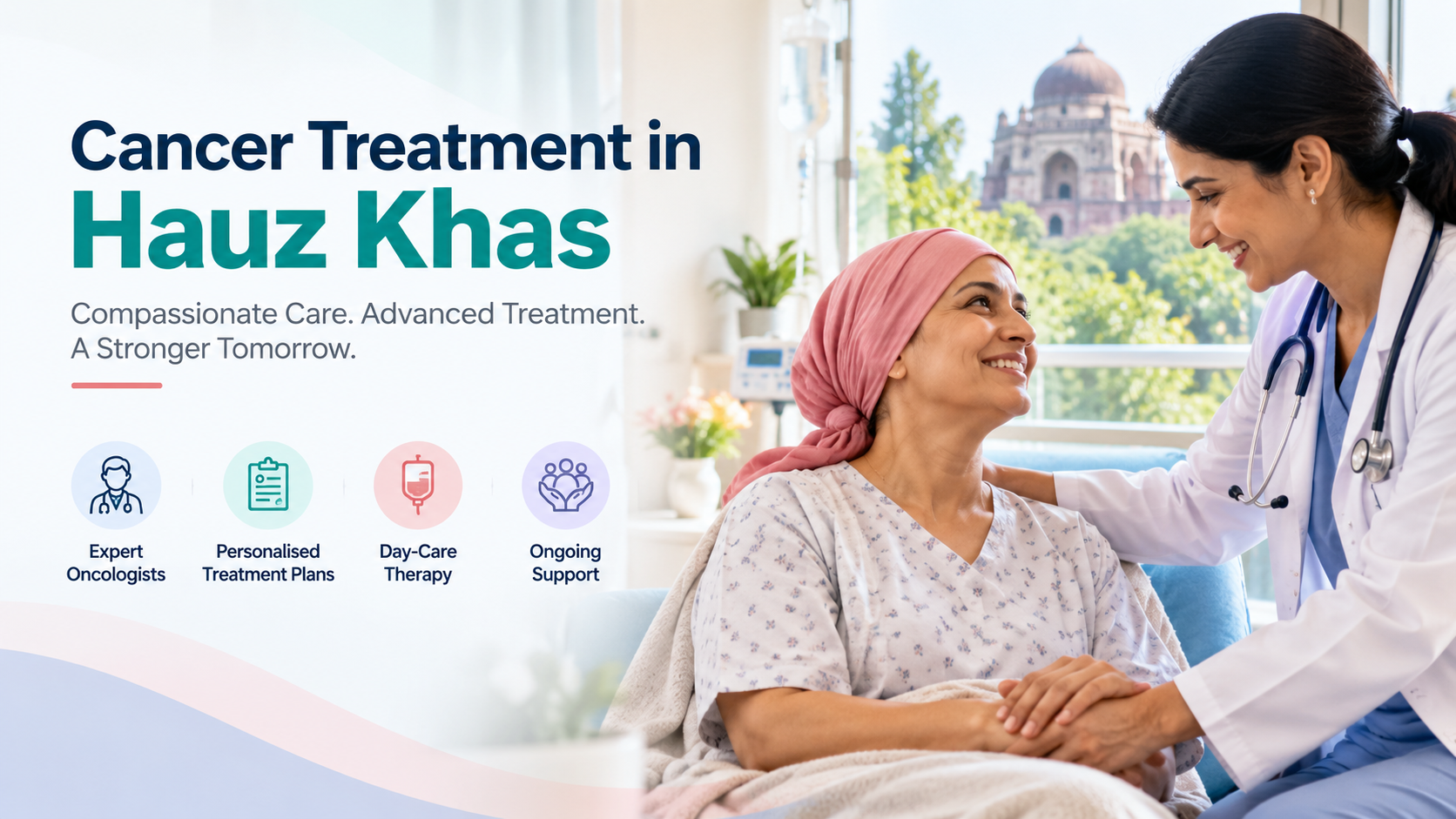
A cancer diagnosis can change life in an instant. Along with medical decisions, patients and families often have questions about treatment options, consultations, recovery, nutrition, and ongoing support. Choosing the right care setting can make the journey more organised and easier to understand.
For people looking for cancer treatment in Hauz Khas, access to coordinated oncology care can be an important part of the treatment journey. Modern cancer care is not limited to a single therapy. It may involve diagnosis, treatment planning, day-care procedures, monitoring, supportive care, and long-term follow-up.
shichim follows a structured Care Journey Roadmap, designed to guide patients from their first consultation through treatment and ongoing recovery.
What Is Cancer Treatment?
Cancer treatment refers to medical care used to manage cancer. The treatment selected depends on several factors, including the cancer type, stage, location, overall health, previous treatment, and individual circumstances.
A cancer treatment plan may involve one or more approaches, such as:
-
Surgery
-
Chemotherapy
-
Radiation therapy
-
Targeted therapy
-
Immunotherapy
-
Hormone therapy
-
Supportive and palliative care
Not every patient needs every form of treatment. An oncologist evaluates the available information and develops a plan suited to the individual's condition.
This is why effective cancer care in Hauz Khas should focus not only on treatment delivery but also on assessment, communication, monitoring, and continuity of care.
Types of Cancer Treatment
Chemotherapy
Chemotherapy uses medicines to destroy cancer cells or control their growth. Depending on the treatment plan, chemotherapy may be administered through different routes and schedules.
It can be used as a primary treatment or alongside other therapies. Some patients receive chemotherapy before surgery or radiation, while others may receive it afterward.
Because chemotherapy can affect healthy cells as well as cancer cells, medical monitoring is an important part of treatment.
Immunotherapy
Immunotherapy works by helping the body's immune system recognise or respond to cancer.
It is used for certain cancer types and depends on factors such as the tumour's characteristics and the patient's medical condition. An oncologist determines whether immunotherapy is appropriate.
Targeted Therapy
Targeted therapies are designed to act on specific characteristics involved in cancer growth.
These treatments may be considered when testing identifies a biological feature that can be addressed by a particular medicine. This makes appropriate diagnostic and molecular evaluation important for selected patients.
Radiation Therapy
Radiation therapy uses high-energy radiation to target cancer cells. It can be used to treat certain cancers, reduce tumour burden, or manage symptoms in appropriate situations.
Radiation treatment is usually planned carefully to target the affected area while limiting exposure to surrounding healthy tissue.
Hormone Therapy
Some cancers depend on hormones to grow. Hormone therapy can reduce or block the effect of specific hormones.
It is commonly considered in certain hormone-sensitive cancers and may be used alone or alongside other treatments.
Choosing the Right Cancer Treatment Centre in Hauz Khas
The treatment itself is only one part of cancer care. Patients should also consider how easily the care team communicates, how treatment is coordinated, and what support is available throughout the journey.
When evaluating a cancer treatment centre in Hauz Khas, consider:
-
Whether qualified oncology professionals are involved
-
How treatment plans are developed
-
Whether the centre explains treatment options clearly
-
How follow-up and monitoring are handled
-
Whether day-care treatment is available when clinically appropriate
-
How nutritional and supportive needs are addressed
-
How easily the patient can communicate with the care team
A well-organised care pathway can reduce confusion and help patients understand what happens next.
Cancer Clinic in Hauz Khas: What Patients Can Expect
A modern cancer clinic in Hauz Khas may support different stages of the patient journey, from consultation and treatment planning to therapy and follow-up.
At the first consultation, an oncologist may review:
-
Medical history
-
Diagnostic reports
-
Imaging and laboratory results
-
Previous treatments
-
Current symptoms
-
General health and individual considerations
The goal is to understand the complete clinical picture before recommending an appropriate treatment approach.
Patients should feel comfortable asking questions about the purpose of treatment, expected schedule, possible side effects, monitoring requirements, and follow-up.
Day-Care Cancer Therapy
One important model of modern cancer therapy in Hauz Khas is day-care treatment.
When clinically suitable, some therapies can be administered without overnight hospital admission. The patient arrives for treatment, receives the prescribed therapy under medical supervision, and returns home after the required observation period.
Potential advantages include:
-
Greater convenience
-
Less disruption to daily routines
-
A familiar outpatient treatment environment
-
Reduced need for overnight admission when it is not medically required
-
Easier integration of treatment into family and work schedules
Day-care treatment is not appropriate for every therapy or every patient. The treating oncologist should determine whether it is suitable.
Comparing Cancer Care Approaches
| Care approach | Main focus | Potential advantage | Key consideration |
|---|---|---|---|
| Hospital-based oncology | Comprehensive medical management | Suitable for complex or intensive care | May involve admission |
| Day-care oncology | Supervised outpatient treatment | Convenient for appropriate therapies | Depends on treatment and patient condition |
| Standalone consultation | Specialist evaluation | Useful for diagnosis and treatment planning | May require coordination with treatment providers |
| Coordinated cancer care | Treatment plus monitoring and support | Creates continuity across stages | Requires effective communication between the care team and patient |
The right approach depends on the individual's diagnosis and medical needs rather than convenience alone.
Why Choose shichim for Your Cancer Care Journey?
shichim's approach is structured around a Care Journey Roadmap, helping patients move through each stage with clear guidance.
Call or Book
The journey begins when a patient calls the helpline or submits a booking request. A coordinator then reaches out to help begin the process.
Consultation
A senior oncologist evaluates the patient's medical information, listens to concerns, and explains the situation in clear terms.
Your Personalised Plan
Treatment planning is based on factors such as cancer type, stage, and individual condition. This helps create a more personalised pathway rather than treating every patient in the same way.
Day-Care Treatment
Where clinically appropriate, treatment can be provided at the centre without an overnight admission. Patients can complete their supervised treatment and return home the same day.
Recovery and Ongoing Care
Cancer care does not necessarily end when a treatment session finishes. Ongoing monitoring, nutrition, and supportive care can remain important parts of recovery.
This step-by-step model can help patients understand where they are in their treatment journey and what comes next.
Benefits of a Coordinated Oncology Approach
Cancer treatment can involve multiple decisions and appointments. Coordinated care aims to make this process easier to navigate.
Key benefits can include:
-
Better continuity: Information and treatment progress can be followed across different stages.
-
Clearer communication: Patients have opportunities to understand their diagnosis and treatment plan.
-
Personalised planning: Treatment decisions can reflect the patient's cancer type and condition.
-
Convenience: Suitable day-care therapies can reduce unnecessary overnight stays.
-
Ongoing support: Recovery and monitoring remain part of the overall care pathway.
For families searching for oncology treatment in Hauz Khas, these factors can be just as important as the treatment itself.
Common Mistakes to Avoid During Cancer Treatment
Patients and families can sometimes feel overwhelmed after a diagnosis. A few practical habits can help.
Do not rely on a single report
Cancer treatment decisions may require clinical evaluation alongside pathology, imaging, medical history, and other relevant information.
Do not delay questions
If a treatment recommendation is unclear, ask the oncology team to explain it in simpler terms.
Do not ignore supportive care
Nutrition, symptom management, emotional support, and regular monitoring can be important parts of comprehensive cancer care.
Do not compare treatments without context
A treatment that is suitable for one patient may not be suitable for another. Cancer type, stage, biomarkers, previous treatment, and overall health can all affect decisions.
The Future of Cancer Care
Cancer treatment continues to evolve. Increasingly personalised approaches are helping doctors select therapies based on the characteristics of individual cancers.
Important areas of development include:
-
Precision medicine
-
Molecular and genomic testing
-
More targeted treatments
-
Advances in immunotherapy
-
Better supportive care
-
Digital monitoring and coordinated follow-up
-
Greater emphasis on personalised treatment pathways
These developments reinforce the importance of specialist evaluation and personalised planning rather than using a one-size-fits-all approach.
Practical Steps Before Your Oncology Consultation
Patients can make consultations more productive by preparing in advance.
Bring relevant:
-
Pathology and biopsy reports
-
Imaging reports and scans
-
Previous treatment records
-
Current medication information
-
List of symptoms or concerns
-
Questions about treatment and recovery
It can also help to bring a trusted family member or caregiver who can listen, take notes, and help remember important instructions.
Making Cancer Care More Manageable
Searching for cancer treatment in Hauz Khas is often the beginning of a much larger journey. The right care pathway should address more than the treatment session itself.
Patients benefit from care that combines specialist evaluation, personalised treatment planning, supervised therapy, clear communication, and ongoing monitoring.
With its structured Care Journey Roadmap, shichim aims to support patients from the first consultation through day-care treatment and recovery. The focus is on making each stage clearer, coordinated, and centred around the patient's individual needs.
Start Your Cancer Care Journey
A cancer diagnosis can feel overwhelming, but patients do not have to navigate every decision alone. Specialist guidance can help you understand your diagnosis, explore appropriate treatment options, and create a care plan suited to your situation.
If you are exploring cancer care in Hauz Khas, connect with shichim to begin a guided journey from consultation and personalised planning to treatment and ongoing recovery.