
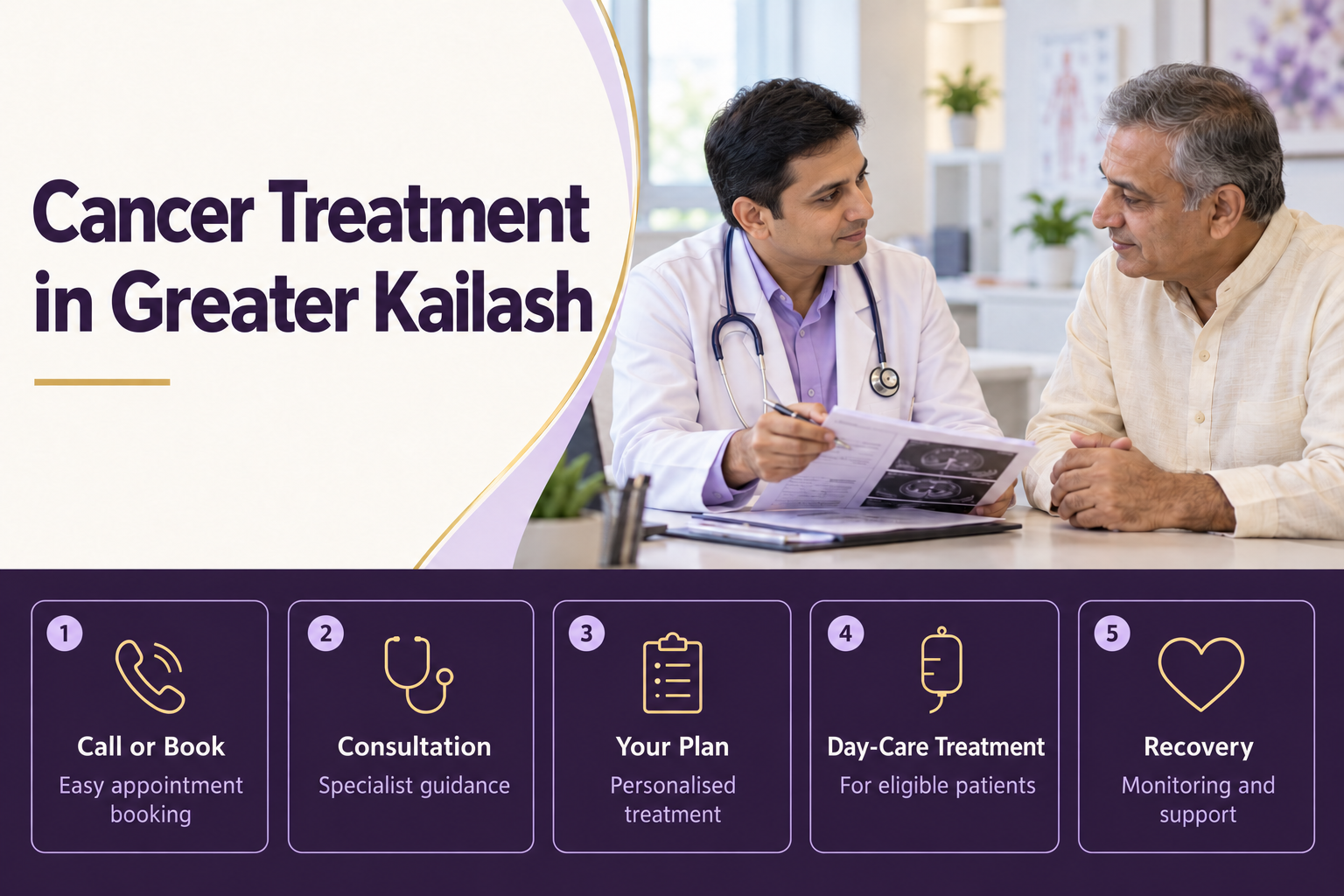
Cancer Treatment in Greater Kailash: A Patient Guide to Care with Shichim
Searching for cancer treatment in Greater Kailash often begins with uncertainty about reports, treatment choices, and what happens next. Patients need medical guidance, while families need information about appointments, recovery, and support.
Good cancer care starts with understanding the diagnosis. It continues through treatment planning, monitoring, and conversations about how care affects everyday life. The most suitable approach depends on the individual, rather than a single treatment advertised for everyone.
For Greater Kailash residents considering nearby services, Shichim lists a Hauz Khas centre. Its website currently shows an upcoming opening, so confirm appointment and treatment availability before travelling.
What Personalised Cancer Care Involves
Cancer is not one disease. Even patients with cancer affecting the same organ may have different tumour characteristics and treatment needs.
Your oncologist considers the diagnosis, stage, relevant test results, previous treatment, and overall health. Other conditions, current medicines, and personal preferences also matter.
A useful treatment discussion should explain:
-
What the tests show and what remains uncertain.
-
Whether further investigations are necessary.
-
The purpose of the recommended treatment.
-
Expected benefits and possible side effects.
-
How progress and recovery will be monitored.
When exploring cancer care, Greater Kailash families should ask for explanations they understand. Clear communication helps patients participate in decisions and organise the support they need.
Main Types of Cancer Treatment
Surgery
Surgery removes cancerous tissue when an operation is appropriate. It can also provide tissue for diagnosis and help establish the extent of disease.
Some patients need surgery alone, while others receive medicines or radiation before or afterwards. Suitability depends on the cancer, its location, and the patient's fitness.
Chemotherapy
Chemotherapy uses medicines to kill cancer cells or slow their growth. It may shrink a tumour before surgery, address remaining cells afterwards, or help control advanced cancer.
Some regimens can be delivered through outpatient appointments. Others require hospital admission or extended monitoring.
Side effects vary by medicine and patient. Your team should explain the expected schedule, necessary tests, and supportive medicines before treatment starts.
Radiation Therapy
Radiation therapy uses radiation to treat cancer in a particular area. It may be used as part of treatment intended to cure cancer or to relieve symptoms.
A radiation oncologist plans the treatment using specialised facilities. The number of visits and potential side effects depend on the area treated and the prescribed course.
Targeted Therapy
Targeted medicines act on specific features that help cancer cells grow. Testing may identify whether a tumour has a feature that an available medicine can target.
These treatments are suitable only in particular circumstances. They can cause side effects, and resistance may develop over time.
Immunotherapy
Immunotherapy helps the immune system fight cancer. It may be used alone or alongside other treatments for selected diagnoses.
It does not work for everyone. Eligibility depends on the cancer, treatment setting, and sometimes biomarker results.
Because immune activity can affect healthy tissues, careful monitoring is important. Report new symptoms using the instructions provided by your team.
Hormone Therapy
Hormone therapy is used for certain cancers that depend on hormones to grow, including some breast and prostate cancers.
It works by reducing hormone production or blocking hormone activity. Treatment may involve tablets or injections and can continue over an extended period.
Comparing Day-Care and Inpatient Treatment
Day-care describes the setting where treatment is delivered. It is not a separate medicine or a substitute for every hospital service.
| Feature | Day-Care Setting | Inpatient Setting |
|---|---|---|
| Appropriate situations | Selected treatments for medically stable patients | Intensive treatment or conditions requiring admission |
| Stay | Home after assessment and clearance | Overnight care when needed |
| Monitoring | During appointments and planned reviews | Continued monitoring throughout admission |
| Home support | Transport and caregiver help may be necessary | Care provided during the hospital stay |
| Practical benefit | May reduce disruption to daily routines | Access to extended medical supervision |
| Important limitation | Unsuitable for some regimens or complications | Requires time away from home |
For example, a suitable infusion may be completed during a planned visit. Someone who develops complications may need additional assessment or hospital care.
Convenience should follow medical suitability. Ask what arrangements exist if admission or transfer becomes necessary.
Shichim's Five-Step Care Journey
Shichim describes a process that connects booking, consultation, treatment planning, eligible day-care services, and recovery support. Confirm which parts are currently available for your needs.
1. Call or Book
Request an appointment through the booking process. A coordinator can clarify the location, available consultation slots, and documents required.
Explain whether you have a confirmed diagnosis, need a second opinion, or are seeking advice about existing treatment.
2. Consultation
A senior oncologist listens to your concerns and reviews the available information. Ask for an explanation of the diagnosis and whether further assessment is needed.
Bring a written question list to help cover your priorities.
3. Your Plan
The proposed plan considers cancer type, stage, and condition. Discuss the goal of treatment, reasonable alternatives, and possible effects on daily life.
Clarify who will coordinate care if several specialists are involved.
4. Day-Care Treatment
When the prescribed treatment and your health allow, care may be delivered without an overnight stay. Discharge depends on assessment and your response.
Ask about preparation, observation, and instructions for returning home.
5. Recovery
Ongoing monitoring, nutrition, and support address needs during recovery. Ask what follow-up includes and how concerns should be reported between visits.
Choosing a Cancer Treatment Centre Near Greater Kailash
When comparing a cancer treatment centre, Greater Kailash residents should assess clinical suitability alongside travel convenience.
Consider the following questions:
-
Does the treating specialist have relevant experience with my diagnosis?
-
Can the facility deliver my prescribed treatment?
-
Which services require referral elsewhere?
-
How are emergencies and treatment reactions managed?
-
Who reviews symptoms between appointments?
-
How will reports reach my other doctors?
Before selecting a cancer clinic, Greater Kailash families should also clarify accessibility, appointment arrangements, and caregiver needs.
If considering an oncology centre, Greater Kailash patients can request a clear explanation of responsibilities. Knowing who coordinates treatment helps reduce confusion when several services are involved.
Preparing for Your First Consultation
Bring biopsy reports, scan reports and images, blood results, previous prescriptions, and treatment summaries. Include details of allergies, supplements, and other medical conditions.
Arrange records in date order. Write down when symptoms began and what has changed.
A trusted companion can help take notes, but your preferences should remain central. Tell the doctor what matters to you, including comfort, independence, work, or family responsibilities.
Before leaving, confirm the next step. Ask whether you need additional tests, another specialist review, or time to consider treatment choices.
Side Effects and When to Seek Help
Possible side effects depend on the treatment. They may include nausea, fatigue, mouth discomfort, bowel changes, or changes in blood counts.
Report symptoms early, particularly when they interfere with eating, drinking, or usual activities. Supportive medicines and adjustments may help, but decisions belong with your treating team.
Fever, chills, or signs of infection during treatment need prompt medical attention. Follow the urgent-care instructions provided rather than waiting for a routine appointment.
Ask for clear guidance about which symptoms require immediate assessment and where to seek help after leaving the centre.
Best Practices and Common Mistakes
Keep a brief symptom diary and bring questions to reviews. Follow instructions for medicines, tests, food safety, and any treatment-specific precautions.
Avoid these common mistakes:
-
Changing treatment doses without advice.
-
Starting herbal products without checking for interactions.
-
Skipping reviews because you feel better.
-
Assuming another patient's experience predicts your own.
-
Judging treatment success by side effects alone.
If you want a second opinion, share complete records and coordinate timing with your doctor. This can clarify options while avoiding unnecessary delays.
Why Consider Shichim?
Shichim's stated model brings consultation, personalised planning, suitable day-care treatment, and recovery support into a defined journey. This provides specific services for families to discuss when exploring nearby care.
Its Hauz Khas location should not be confused with a centre inside Greater Kailash. Confirm operational status, treating specialists, and the required services before making arrangements.
Choose based on how well the available care matches your diagnosis, rather than location or promotional claims alone.
Future Directions in Cancer Therapy
Cancer treatment increasingly considers the biological features of individual tumours. Biomarker testing can sometimes identify suitable targeted treatments, immunotherapy options, or clinical trials.
However, testing does not always produce an actionable result, and newer treatment is not automatically preferable.
When evaluating cancer therapy, Greater Kailash residents should ask whether a proposed test or medicine would meaningfully change their plan. Decisions should balance evidence, expected benefit, possible harms, and personal priorities.
Conclusion
Finding suitable cancer treatment in Greater Kailash starts with understanding your diagnosis and choosing care that matches your medical needs. Specialist guidance, coordinated appointments, and reliable follow-up all support informed decisions.
Contact Shichim to discuss consultation availability, review your care needs, and learn about suitable services at its listed Hauz Khas location. Take the next step towards a personalised plan with clearer guidance for treatment and recovery.