
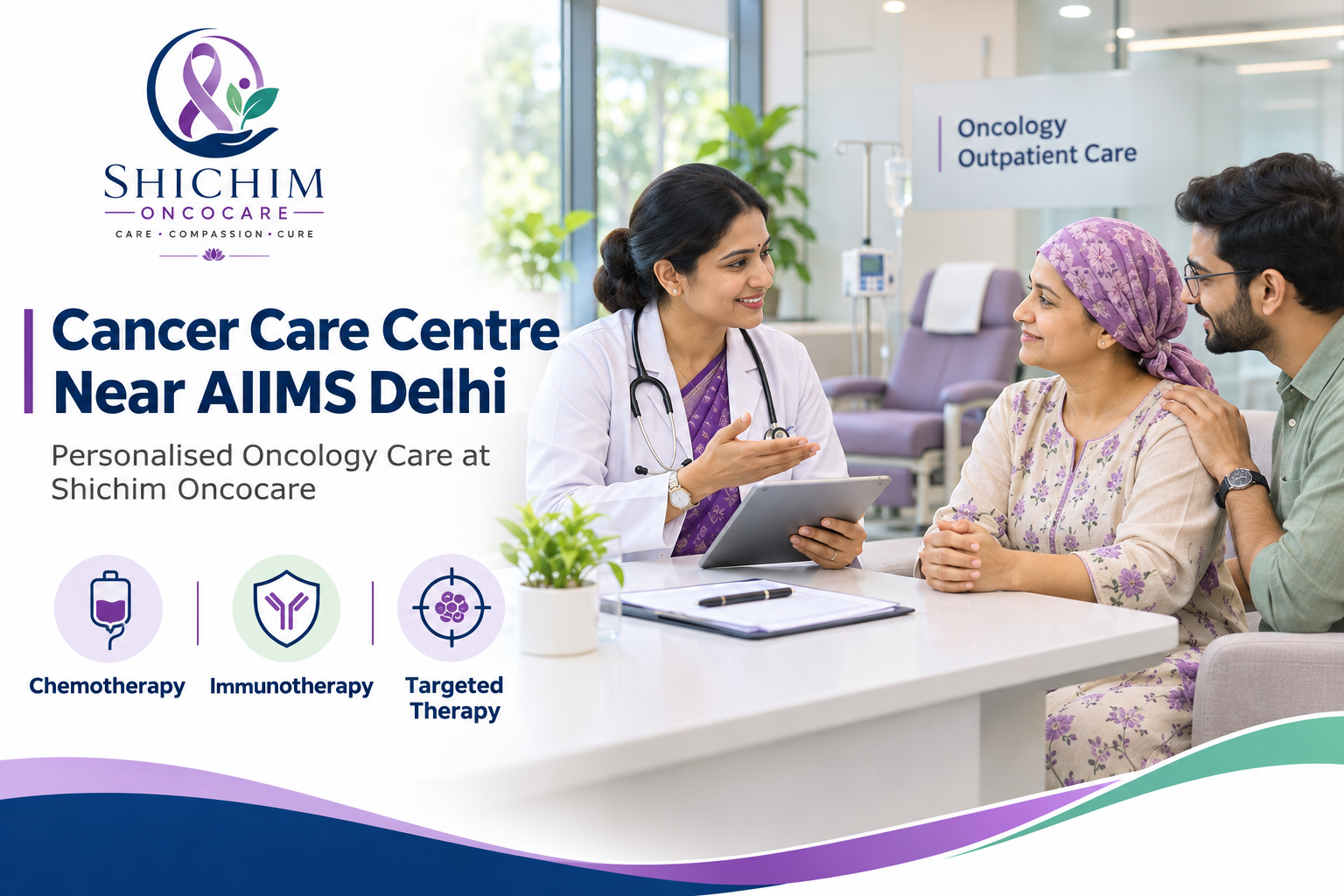
Finding the right cancer care centre near AIIMS Delhi is an important step for patients and families dealing with a cancer diagnosis. Cancer treatment requires proper medical guidance, personalised planning, regular monitoring and ongoing support.
Many patients look for a reliable oncology centre in South Delhi that offers specialist consultations and convenient outpatient treatment options. Choosing an accessible centre can make regular appointments and follow-up visits easier to manage.
Shichim Oncocare focuses on providing a structured and patient-centred approach to cancer care. From the first consultation to treatment and recovery, the centre aims to guide patients through every stage of their medical journey.
Whether you need an initial oncology consultation or guidance about available treatment options, understanding the cancer care process can help you make informed decisions.
Why Choose a Cancer Care Centre Near AIIMS Delhi?
AIIMS Delhi is a major medical destination for patients from Delhi and neighbouring states. The surrounding areas are also important healthcare locations for people seeking specialist medical consultations.
Choosing an oncology care centre near AIIMS can make accessing cancer-related services more convenient, especially for patients who require regular consultations or treatment sessions.
A dedicated cancer care centre can support patients through several important services.
Specialist Oncology Consultation
An oncologist evaluates the patient's medical condition, reviews investigation reports and discusses suitable treatment options.
The consultation may include reviewing:
-
Biopsy and pathology reports.
-
Previous treatment records.
-
Imaging and blood test reports.
-
Cancer type and stage.
-
Overall health and medical history.
This evaluation helps the doctor understand the patient's condition and recommend appropriate next steps.
Personalised Treatment Planning
Every cancer patient has different medical requirements. Treatment decisions depend on the cancer type, stage, overall health and previous medical history.
A personalised treatment plan helps patients understand their available options and the purpose of each recommended treatment.
Outpatient Cancer Treatment
Some cancer treatments can be provided through day-care facilities without requiring an overnight hospital admission.
Eligible patients can receive treatment under medical supervision and return home on the same day when medically appropriate.
Understanding Comprehensive Cancer Care in Delhi
Comprehensive cancer care Delhi involves addressing different medical and supportive needs throughout the patient's treatment journey.
Cancer care is not limited to treatment sessions. It also includes diagnosis evaluation, treatment planning, side-effect management, follow-up and recovery support.
Chemotherapy
Chemotherapy uses medicines to destroy cancer cells or slow their growth. It may be recommended for different cancer types and at different stages.
Doctors may suggest chemotherapy to:
-
Treat certain cancers.
-
Reduce tumour size before surgery.
-
Destroy remaining cancer cells after surgery.
-
Control cancer growth.
-
Manage symptoms in selected advanced cancer cases.
Some chemotherapy treatments can be provided in a day-care setting. Patients receive medical supervision during treatment and instructions for managing possible side effects.
Immunotherapy
Immunotherapy helps the body's immune system recognise and respond to cancer cells.
It is different from traditional chemotherapy and may be recommended for selected cancer types.
The suitability of immunotherapy depends on the patient's diagnosis, cancer characteristics and medical evaluation.
Targeted Therapy
Targeted therapy focuses on specific molecules or biological changes involved in cancer growth.
Doctors may recommend molecular or biomarker testing to determine whether a particular targeted treatment is suitable.
CAR-T Cell Therapy
CAR-T cell therapy is an advanced treatment that modifies a patient's immune cells to help them recognise and attack cancer cells.
It is used for selected blood cancers and requires specialised assessment, treatment facilities and monitoring. Patients should discuss eligibility and referral requirements with their oncologist.
What Services Should a Cancer Patient Care Centre Provide?
A reliable cancer patient care centre should focus on the patient's complete medical journey rather than individual treatment sessions.
Important aspects include:
Medical Guidance: Clear explanations about diagnosis, treatment options and possible side effects.
Treatment Monitoring: Regular assessment of the patient's response and overall condition.
Nutritional Support: Guidance based on individual health requirements and treatment needs.
Recovery Assistance: Follow-up consultations and advice for managing concerns during recovery.
Emotional Support: Understanding the challenges faced by patients and families during cancer treatment.
These elements help create a more organised and supportive healthcare experience.
Different Cancer Care Facilities and Their Roles
Patients can receive oncology services through different healthcare settings. Each facility has a different purpose.
| Healthcare facility | Main services | Suitable for |
|---|---|---|
| Multi-speciality hospital | Medical, surgical and emergency services | Patients requiring multiple specialities |
| Dedicated cancer hospital | Specialised oncology services | Complex cancer treatment |
| Cancer day-care centre | Selected outpatient treatments | Patients suitable for day-care procedures |
| Oncology consultation clinic | Specialist evaluation and guidance | Initial consultations and follow-ups |
| Home-based supportive care | Recovery and symptom support | Suitable patients needing assistance at home |
A day-care centre does not replace a hospital when inpatient treatment or emergency medical care is necessary. The appropriate setting depends on the patient's condition and the treating doctor's recommendation.
Benefits of Outpatient Oncology Care Near AIIMS
Outpatient oncology care near AIIMS can be a convenient option for patients whose treatment does not require overnight admission.
Reduced Hospital Stays
Patients receiving suitable treatments may avoid unnecessary overnight hospital stays.
Convenient Treatment Sessions
Scheduled day-care appointments can make regular treatment visits easier to organise around family and daily responsibilities.
Medical Supervision
Patients receive treatment under the supervision of qualified healthcare professionals.
Comfortable Recovery
When medically appropriate, patients can return home after treatment and recover in a familiar environment.
Continued Monitoring
Regular follow-up appointments allow the medical team to assess progress and address treatment-related concerns.
However, day-care treatment is not suitable for everyone. The doctor must evaluate the patient's overall health, treatment requirements and risk of complications before recommending this approach.
Why Choose Shichim Oncocare for Cancer Consultation and Treatment Delhi?
Finding a suitable cancer care facility in South Delhi involves considering medical guidance, treatment availability, accessibility and patient support.
Shichim Oncocare follows a patient-focused approach designed to make the cancer care journey more organised and understandable.
The centre's care roadmap guides patients from their first enquiry through consultation, treatment planning, day-care treatment and recovery.
A Structured Care Journey at Shichim Oncocare
Call or Book
Patients can call the helpline or submit an appointment request through the website.
A coordinator reaches out to understand the enquiry and guide the patient through the consultation process.
Consultation
The patient meets a senior oncologist for a medical consultation.
The doctor listens to the patient's concerns, reviews available medical reports and explains the diagnosis and possible treatment approaches.
Patients can discuss their questions and understand the recommended next steps.
Your Personalised Treatment Plan
The medical team prepares a treatment plan based on the patient's cancer type, stage and overall condition.
The plan may include appropriate treatment recommendations, monitoring requirements and follow-up guidance.
Personalised planning helps ensure that medical decisions are based on individual needs.
Day-Care Treatment
Patients who are medically suitable can receive their planned treatment at the centre.
The day-care approach allows eligible patients to receive treatment under medical supervision without an overnight hospital admission.
After treatment, patients receive guidance about recovery, precautions and follow-up.
Recovery and Ongoing Support
Cancer care continues beyond the treatment session.
Shichim Oncocare's care journey includes ongoing monitoring, nutritional guidance and recovery support.
Regular follow-ups help the medical team assess progress and address concerns that may arise during recovery.
Important Factors to Consider Before Selecting a Cancer Centre
Choosing an oncology facility is an important medical decision. Patients should consider the following factors before proceeding.
Check the Oncologist's Experience
Understand the qualifications and experience of the specialist responsible for your treatment.
Ask whether the doctor has experience managing your particular cancer type.
Understand Available Treatments
Different centres offer different oncology services. Confirm which treatments are available and whether additional hospital-based care or specialist referrals may be required.
Review Patient Safety Measures
Understand how the centre monitors patients during treatment and manages possible complications.
Ask About Follow-Up Care
Regular monitoring is an important part of cancer treatment. Patients should understand the follow-up process and whom to contact if concerns arise.
Carry Previous Medical Records
Bring relevant reports, including biopsy results, imaging investigations, blood tests and previous treatment summaries. These documents help the oncologist evaluate your medical history.
Common Mistakes to Avoid During Cancer Treatment
Patients and families sometimes make decisions under pressure. Avoiding common mistakes can help make the treatment journey more organised.
-
Choosing only based on location: Medical expertise and treatment suitability should be more important than convenience alone.
-
Ignoring medical advice: Treatment decisions should be discussed with a qualified oncologist.
-
Relying entirely on online information: Online resources cannot replace individual medical evaluation.
-
Missing follow-up appointments: Regular monitoring helps doctors assess treatment response.
-
Not discussing side effects: Patients should understand possible side effects and warning signs that require medical attention.
Future of Cancer Care and Oncology Treatment
Cancer care continues to develop through advances in medical research and treatment technology.
Precision Oncology
Precision oncology uses information about the biological characteristics of cancer to help guide treatment decisions.
Advanced Immunotherapy
Research continues to explore new ways of helping the immune system recognise and fight cancer cells.
Improved Day-Care Treatment
Advances in treatment protocols and supportive care are allowing selected cancer therapies to be provided in outpatient settings.
Patient-Centred Recovery
Modern oncology increasingly recognises the importance of nutrition, emotional well-being, symptom management and regular monitoring.
These developments are helping shape more personalised approaches to cancer treatment.
Take the Next Step Towards Cancer Care at Shichim Oncocare
Finding the right cancer care centre near AIIMS Delhi can help patients access appropriate medical guidance and understand their treatment options.
Shichim Oncocare offers a structured approach to oncology care, from initial enquiries and specialist consultations to personalised treatment planning, eligible day-care treatment and ongoing recovery support.
Every patient's medical needs are different. The right treatment approach should always be determined through consultation with a qualified oncologist.
Take the first step towards informed cancer care. Explore Shichim Oncocare and book a consultation to discuss your medical needs with an oncology specialist.