
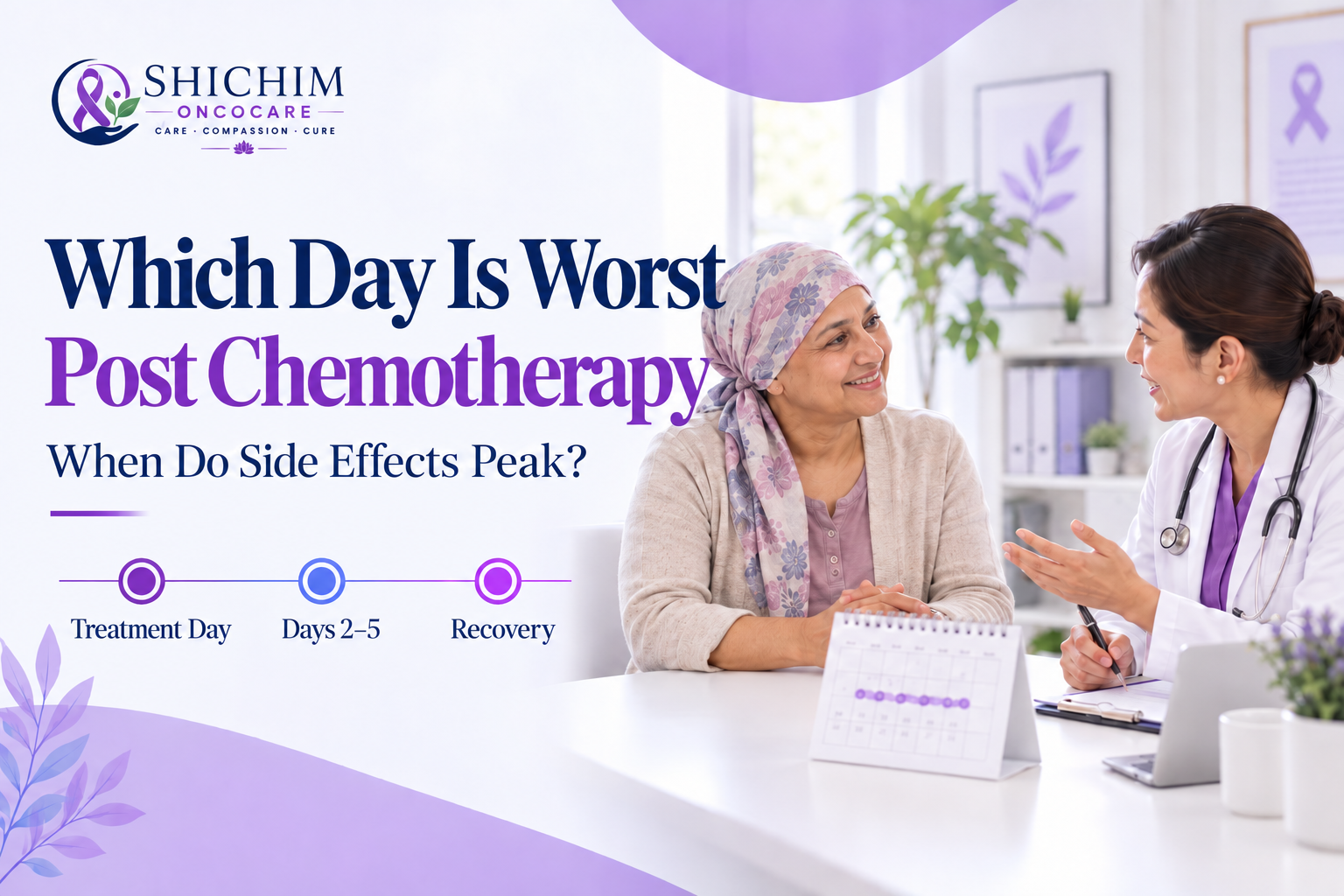
Chemotherapy affects every patient differently. Some people experience nausea or tiredness shortly after treatment, while others notice changes in appetite, bowel habits, or energy levels over the following days. The type and severity of symptoms depend on the medicines used, the treatment schedule, supportive medication, and the patient's overall health.
People searching for the worst days after chemo treatment often want to know when side effects may occur, how long they might last, and when they could start feeling better. However, there is no single day that is the worst for every patient. Some experience symptoms soon after treatment, while others develop delayed side effects or have symptoms that continue between cycles.
Understanding the possible effects of chemotherapy can help patients prepare for treatment, manage symptoms, and recognize when medical advice is necessary.
Why Can Chemotherapy Side Effects Occur at Different Times?
Chemotherapy medicines target cancer cells but can also affect healthy cells and normal body processes. As a result, side effects may involve the digestive system, blood cell production, hair follicles, and other tissues.
Not everyone experiences every possible side effect. Two patients receiving the same chemotherapy regimen may have different symptoms, and a person's experience may change from one cycle to another.
Several factors influence the timing and severity of side effects:
-
Chemotherapy medicines: Different drugs can cause different side effects.
-
Dosage and schedule: The amount of medicine and the timing of treatment can influence how the body responds.
-
Supportive medicines: Treatments prescribed to prevent nausea or manage other symptoms may affect recovery.
-
Overall health: Nutrition, hydration, existing medical conditions, and general health can influence how a patient feels.
-
Previous treatment cycles: Some symptoms, particularly fatigue, may persist or become more noticeable over time.
For this reason, patients should ask their oncology team what to expect from their specific treatment plan rather than relying on a fixed recovery timeline.
Possible Side Effects After Chemotherapy and When They May Occur
Chemotherapy side effects do not follow the same timeline for everyone. Some symptoms may begin during treatment, others can appear several days later, and some may develop after repeated cycles.
Nausea and Vomiting
Nausea may occur during chemotherapy or within the first 24 hours after treatment. Delayed nausea and vomiting can begin more than 24 hours later and may continue for several days. The timing depends on the chemotherapy medicines and the individual's response.
Doctors may prescribe anti-nausea medicines to prevent or control these symptoms. Patients should take them according to their instructions and contact their care team if they are not providing enough relief.
Repeated vomiting or an inability to keep fluids down requires prompt medical advice because dehydration can develop.
Fatigue and Weakness
Fatigue can occur before, during, or after chemotherapy. Some patients feel tired shortly after treatment, while others notice reduced energy over time. Fatigue may also be related to anemia, dehydration, poor sleep, pain, or reduced food intake.
Cancer-related fatigue may not disappear completely after rest. Patients should report severe or persistent tiredness, especially when it interferes with everyday activities.
The oncology team can assess possible causes and recommend appropriate ways to manage fatigue.
Appetite and Taste Changes
Some patients experience changes in taste, reduced appetite, or sensitivity to food smells during treatment. These changes may make eating less enjoyable and affect nutritional intake.
Small meals and snacks may be easier to manage than large meals. Patients who are losing weight or struggling to eat enough should discuss their nutritional needs with their care team.
Constipation and Diarrhea
Changes in bowel habits may occur during chemotherapy. Constipation can be associated with certain medicines, including some used to control nausea or pain. Diarrhea may occur with particular chemotherapy regimens.
The appropriate response depends on the cause and severity. Patients should follow their treatment team's instructions rather than starting medication independently. Persistent diarrhea, severe abdominal pain, or signs of dehydration require prompt medical advice.
Mouth Sores and Oral Discomfort
Some chemotherapy medicines affect the cells lining the mouth, potentially causing soreness, ulcers, or discomfort when eating and drinking. The timing and severity depend on the treatment.
Following the oral-care instructions provided by the oncology team may help reduce irritation. Patients should report painful sores, bleeding, difficulty swallowing, or difficulty drinking enough fluids.
Changes in Blood Cell Counts
Certain chemotherapy medicines affect the bone marrow, where blood cells are produced. This can lead to lower white blood cell counts, anemia, or reduced platelet counts.
Low white blood cell counts can increase the risk of infection. Anemia may contribute to fatigue or breathlessness, while low platelet counts can increase the risk of bleeding or bruising.
Scheduled blood tests help the oncology team monitor these changes and decide whether further assessment or treatment adjustments are needed.
How Long Can Chemotherapy Side Effects Last?
The duration of chemotherapy side effects varies according to the medicines used, the dosage, the treatment schedule, and the patient's response.
Some symptoms improve within days, while others may continue between cycles or take longer to settle. Certain effects can also persist after chemotherapy has ended.
The following table provides a general overview of possible patterns rather than a fixed recovery schedule.
| Possible side effect | When it may occur | Important consideration |
|---|---|---|
| Nausea or vomiting | During treatment or in the following days | Report symptoms that are not controlled by prescribed medicines |
| Fatigue | Before, during, or after treatment | Persistent fatigue may require medical assessment |
| Appetite or taste changes | During treatment or in the days that follow | Seek advice if eating or drinking becomes difficult |
| Constipation or diarrhea | Timing varies by medicine and individual response | Persistent or severe symptoms need medical guidance |
| Mouth sores | May develop after treatment, depending on the regimen | Report painful sores or difficulty swallowing |
| Low blood cell counts | Timing varies by chemotherapy regimen | Attend scheduled blood tests and follow infection precautions |
| Hair loss | Often develops over time rather than immediately after one treatment | The likelihood and timing depend on the medicines used |
Patients should avoid comparing their recovery too closely with another person's experience. Tracking symptoms and discussing unexpected changes with the oncology team can help determine whether additional support is needed.
When Might Patients Start Feeling Better After Chemotherapy?
Recovery depends on the side effects experienced and the chemotherapy regimen. Some symptoms may improve within a few days, while fatigue, appetite changes, or other effects can continue for longer.
A patient may feel better even though blood cell counts have not fully recovered. For this reason, feeling well does not replace scheduled blood tests or medical follow-up.
Patients can support their recovery by:
-
Taking prescribed medicines according to instructions.
-
Drinking fluids regularly unless their doctor has advised a fluid restriction.
-
Eating small meals or snacks that are easier to tolerate.
-
Resting when needed and gradually returning to normal activities.
-
Asking family members or caregivers for help with daily tasks.
-
Attending scheduled blood tests and follow-up appointments.
If symptoms are not improving as expected, contact the oncology team rather than waiting for the next appointment. Never change chemotherapy doses or stop prescribed medicines without medical guidance.
When Should You Seek Medical Attention?
Some symptoms during chemotherapy can indicate a serious complication and should not be treated as routine side effects.
Contact your oncology team immediately if your temperature reaches 38°C (100.4°F) or higher, or meets the fever threshold specified by your treatment team. Fever during chemotherapy may indicate an infection that requires urgent assessment. Do not wait for the fever to settle or take fever-reducing medicine before contacting your team unless they have specifically instructed you to do so.
Seek urgent medical guidance if you experience:
-
Repeated vomiting or an inability to keep fluids down.
-
Severe diarrhea or signs of dehydration.
-
New or worsening breathing difficulties or chest pain.
-
Unusual bleeding or bruising.
-
Severe abdominal pain, confusion, or fainting.
-
Sudden or worsening weakness.
If symptoms are severe and you cannot reach your oncology team, seek emergency medical care.
How to Prepare for Recovery After Chemotherapy
Preparing before treatment can make the recovery period more manageable. Ask your oncology team which side effects are most likely with your regimen and what you should do if they develop.
Before your next treatment, make sure you know which medicines to take for nausea, how to manage constipation or diarrhea, when blood tests are scheduled, and whom to contact if you develop concerning symptoms.
Keep prescribed medicines and your care team's contact details accessible. Prepare simple meals, arrange transport if necessary, and ask for help with household responsibilities when you feel unwell.
Keeping a symptom diary can also be useful. Record when symptoms begin, how severe they are, what medicines you take, and whether anything improves or worsens them. Share this information during your follow-up appointments.
Conclusion
The worst days after chemo treatment cannot be identified as the same days for every patient. Side effects such as nausea, fatigue, appetite changes, and digestive problems may occur at different times and last for different periods depending on the chemotherapy regimen and individual response.
Patients receiving AC or Red Devil chemotherapy may experience some of these effects, but their experiences can still differ considerably. Understanding the possible side effects, following the prescribed care plan, and communicating with the oncology team can help patients manage treatment more safely.
Most importantly, seek urgent medical advice for fever, uncontrolled vomiting, breathing difficulties, or other severe symptoms instead of assuming they are normal parts of recovery.